
Chivalry 2 Hotfix 2.10.2
23rd April 2024
Good morrow, knights! A minor hotfix (2.10.2) has been released with new anti-cheat protections. General Updated anti-cheat security on all […]
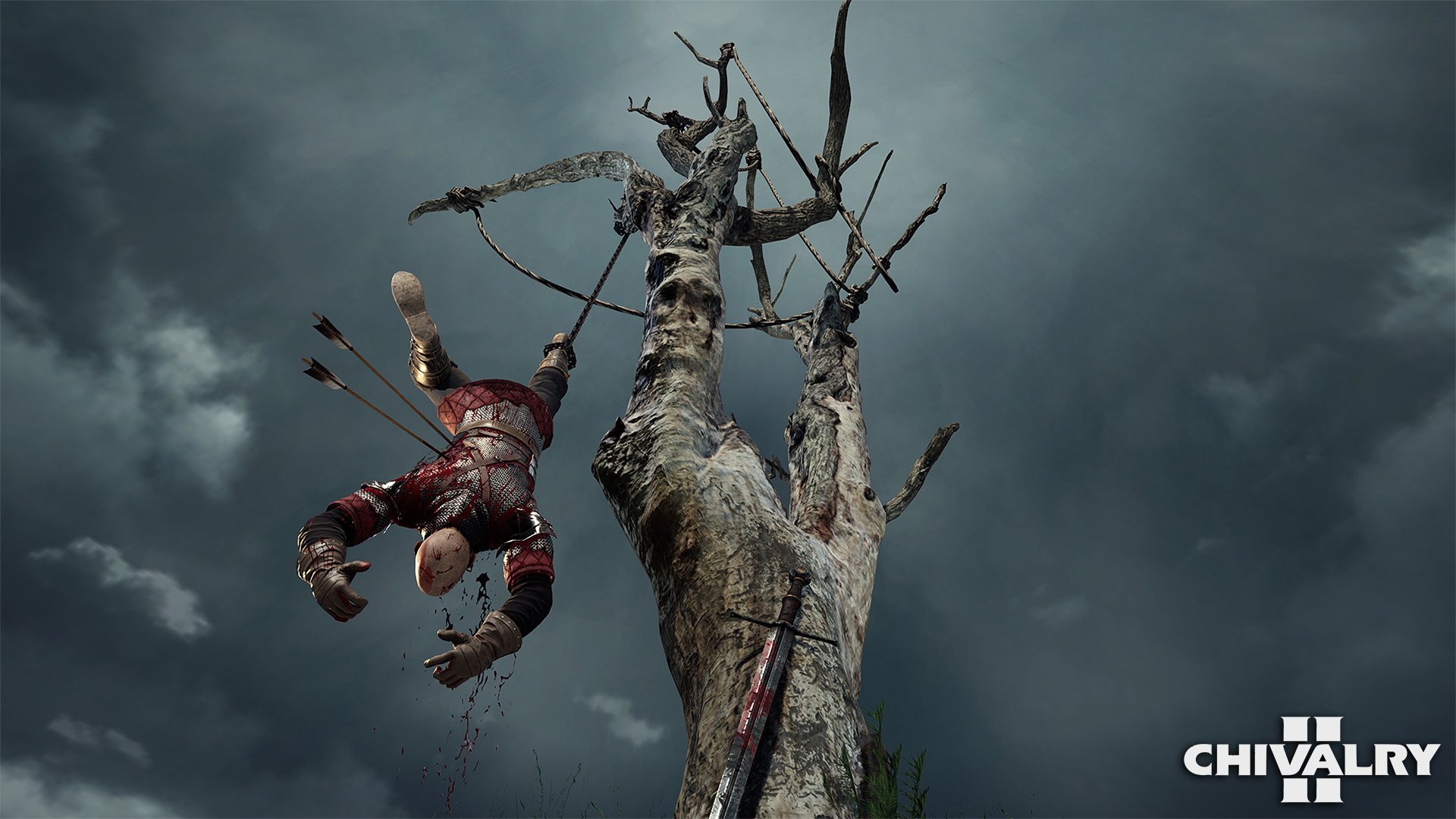
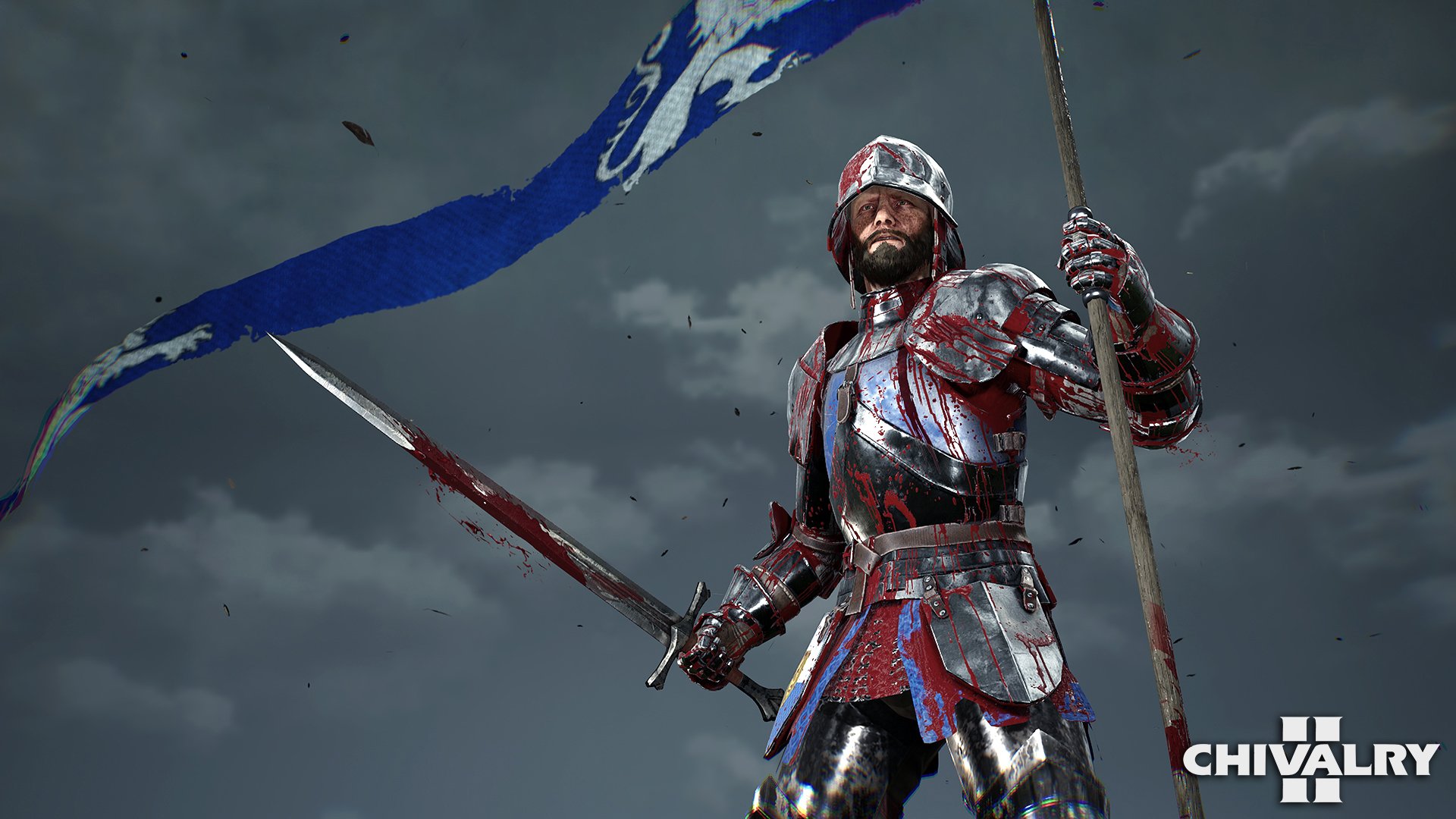
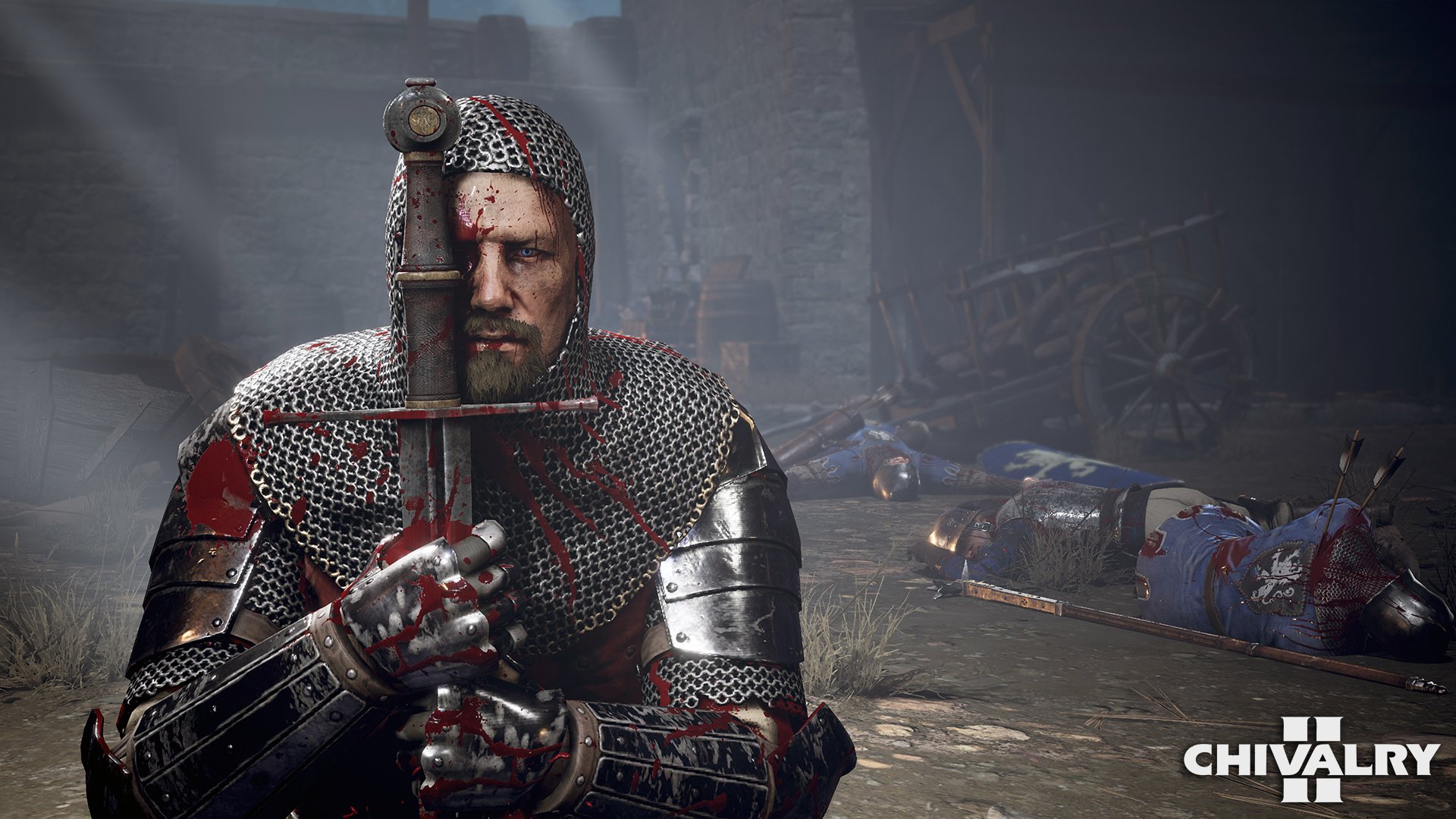
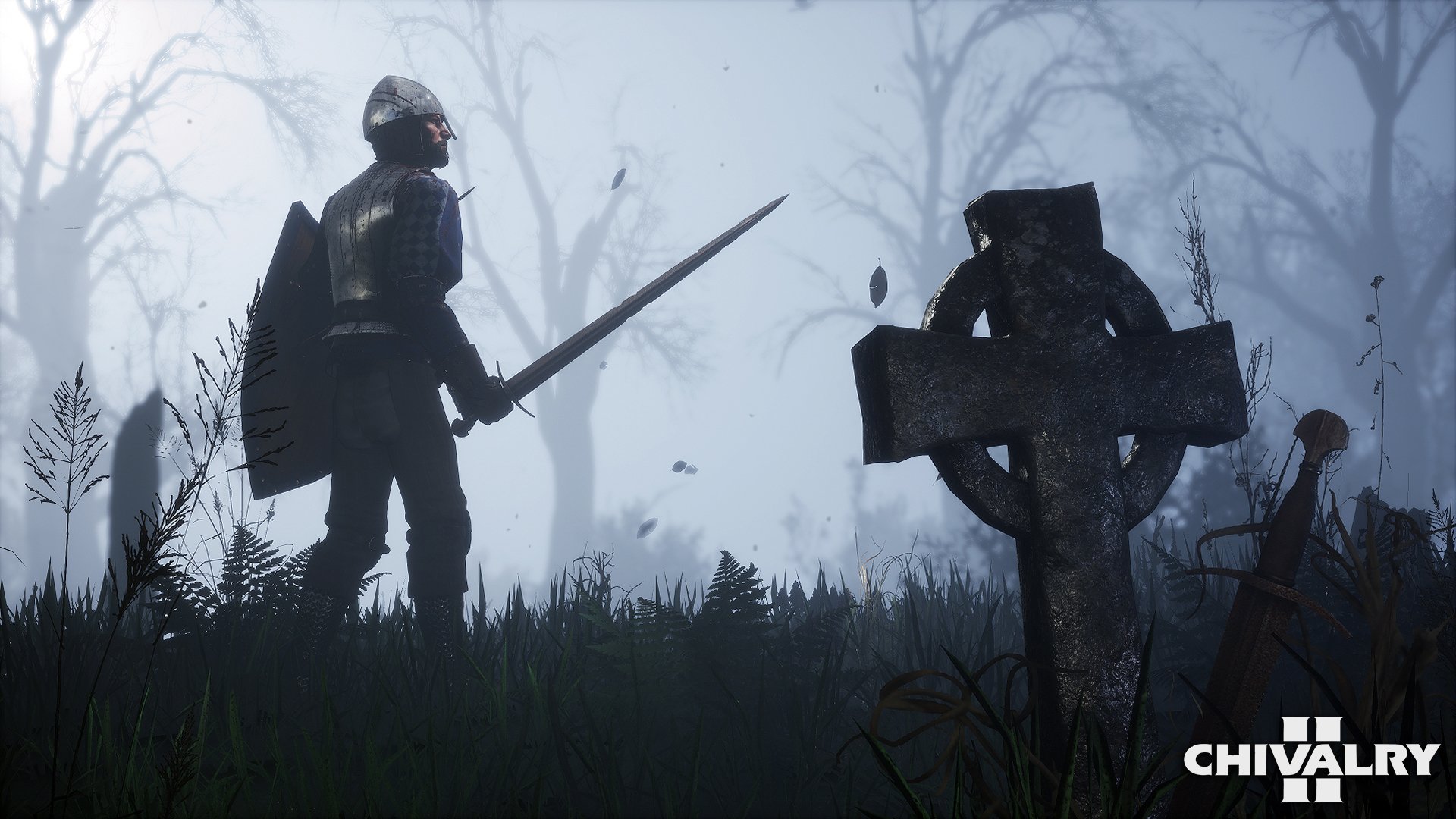
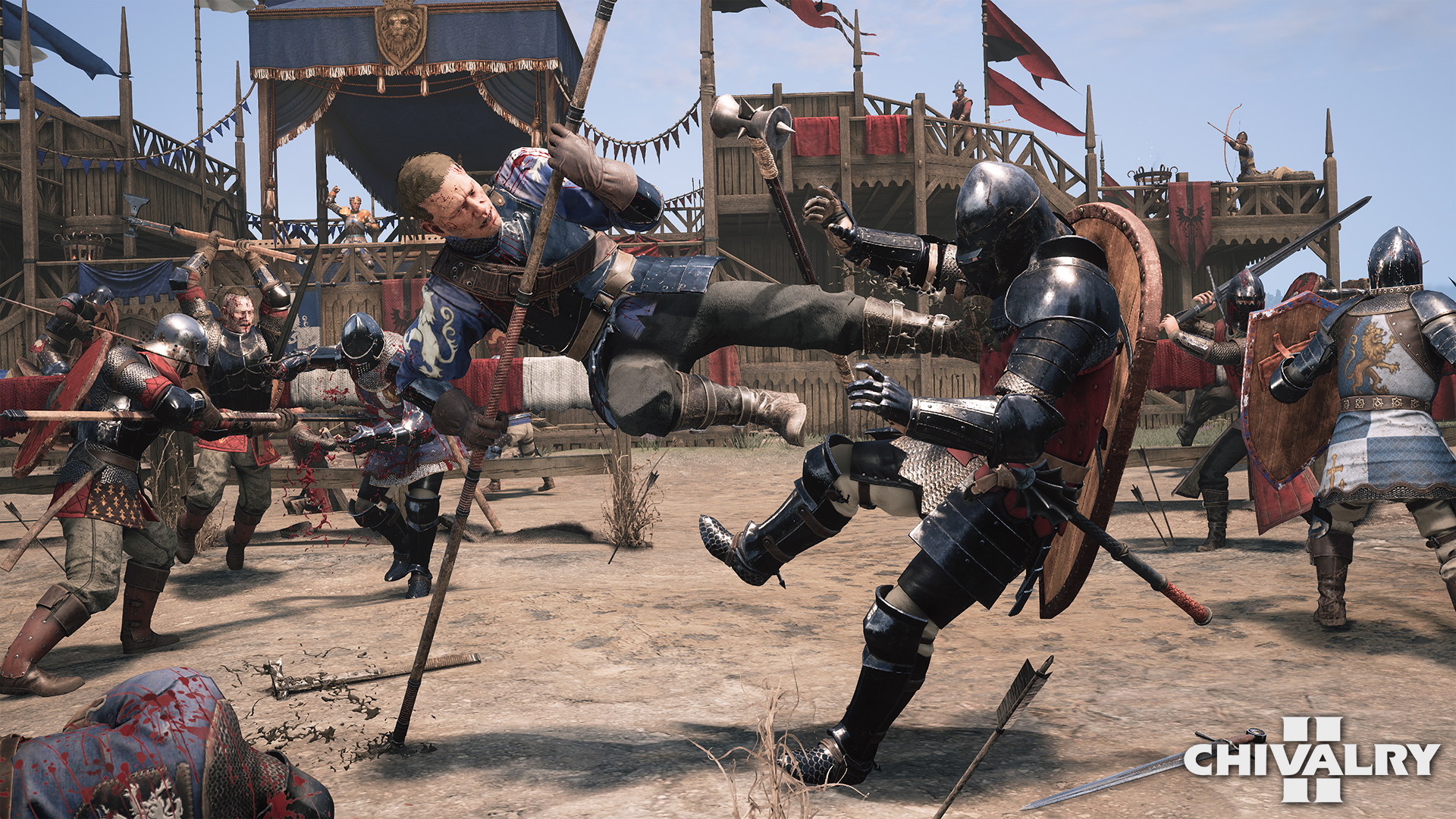
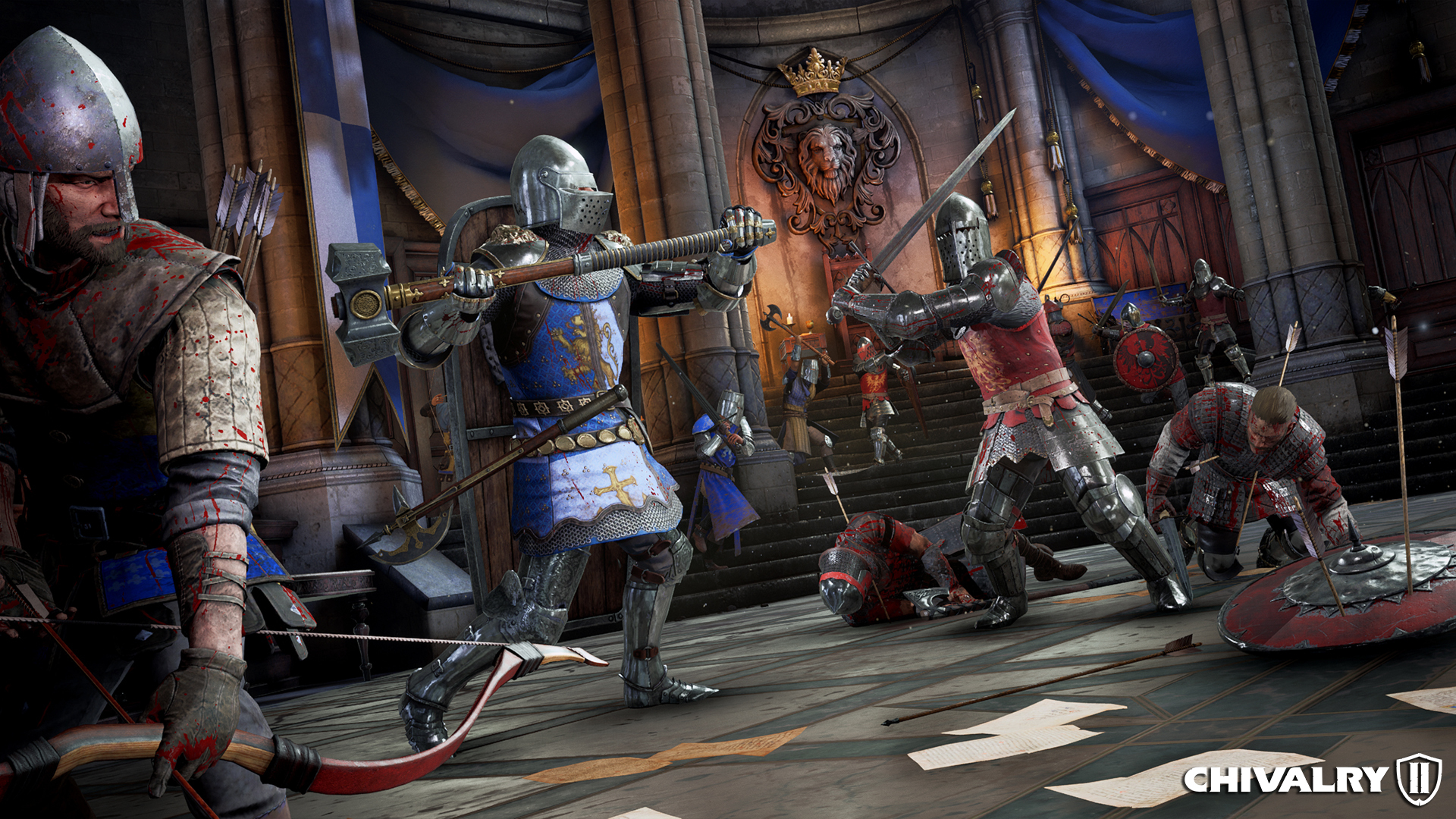
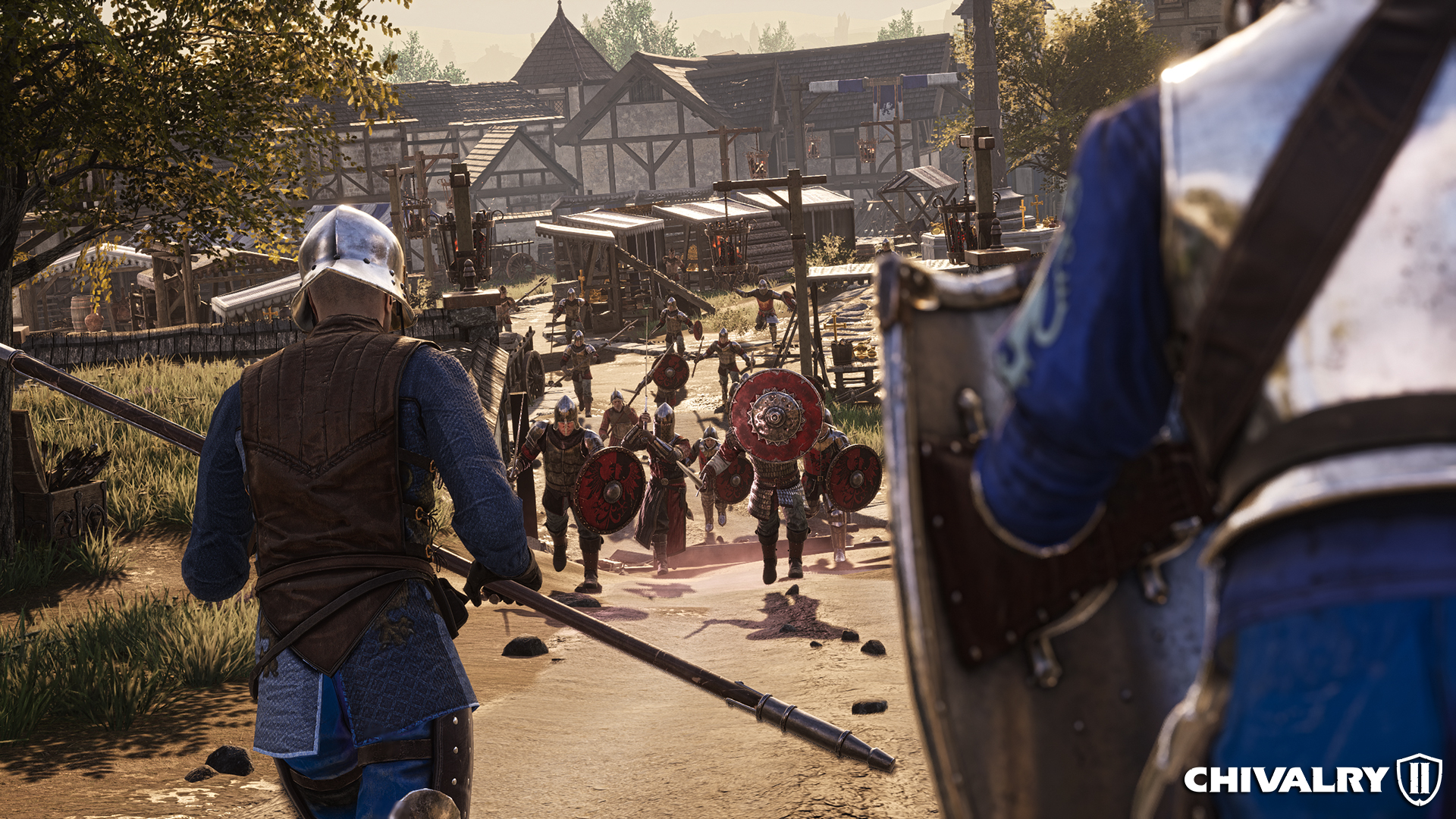
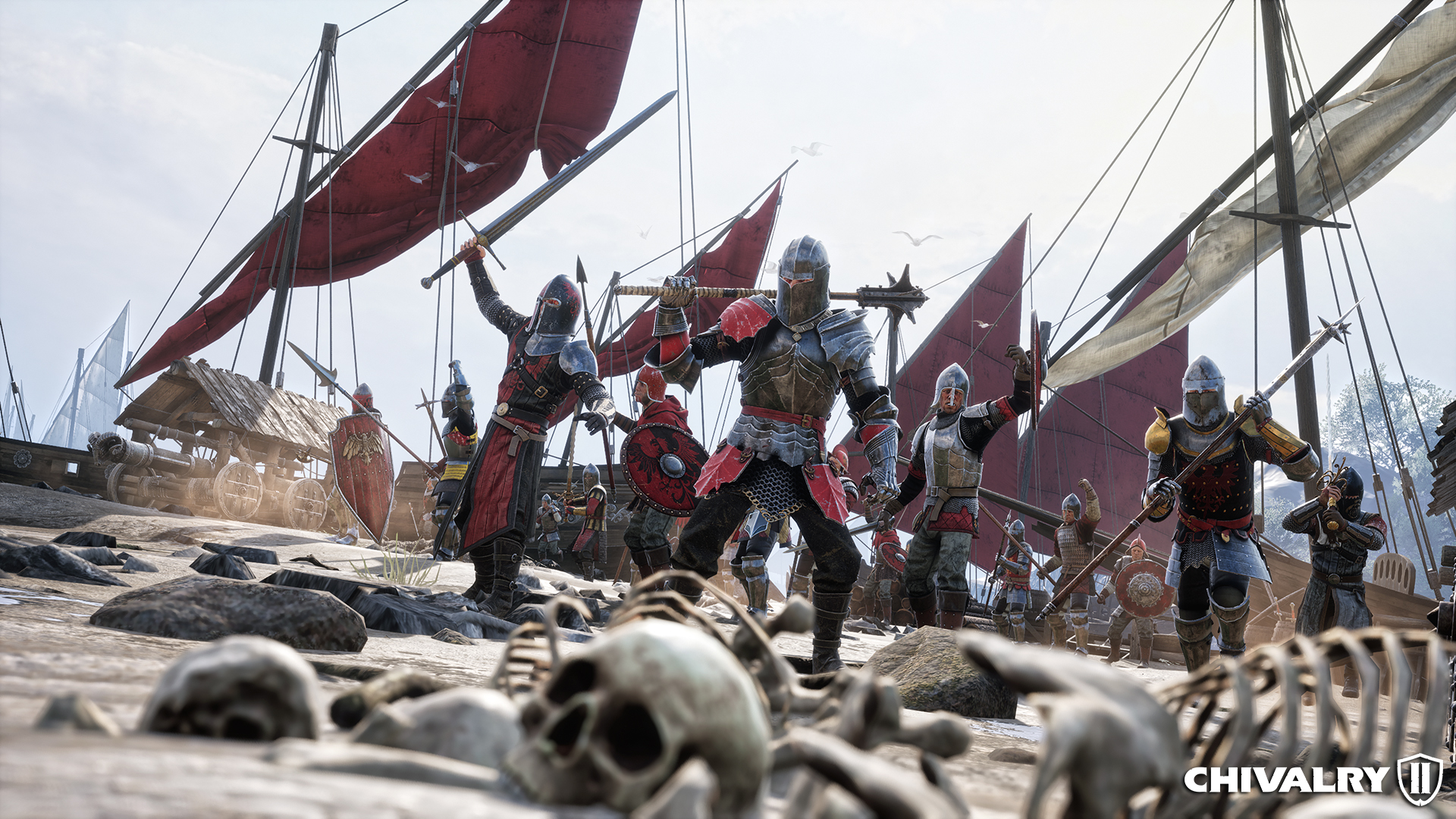
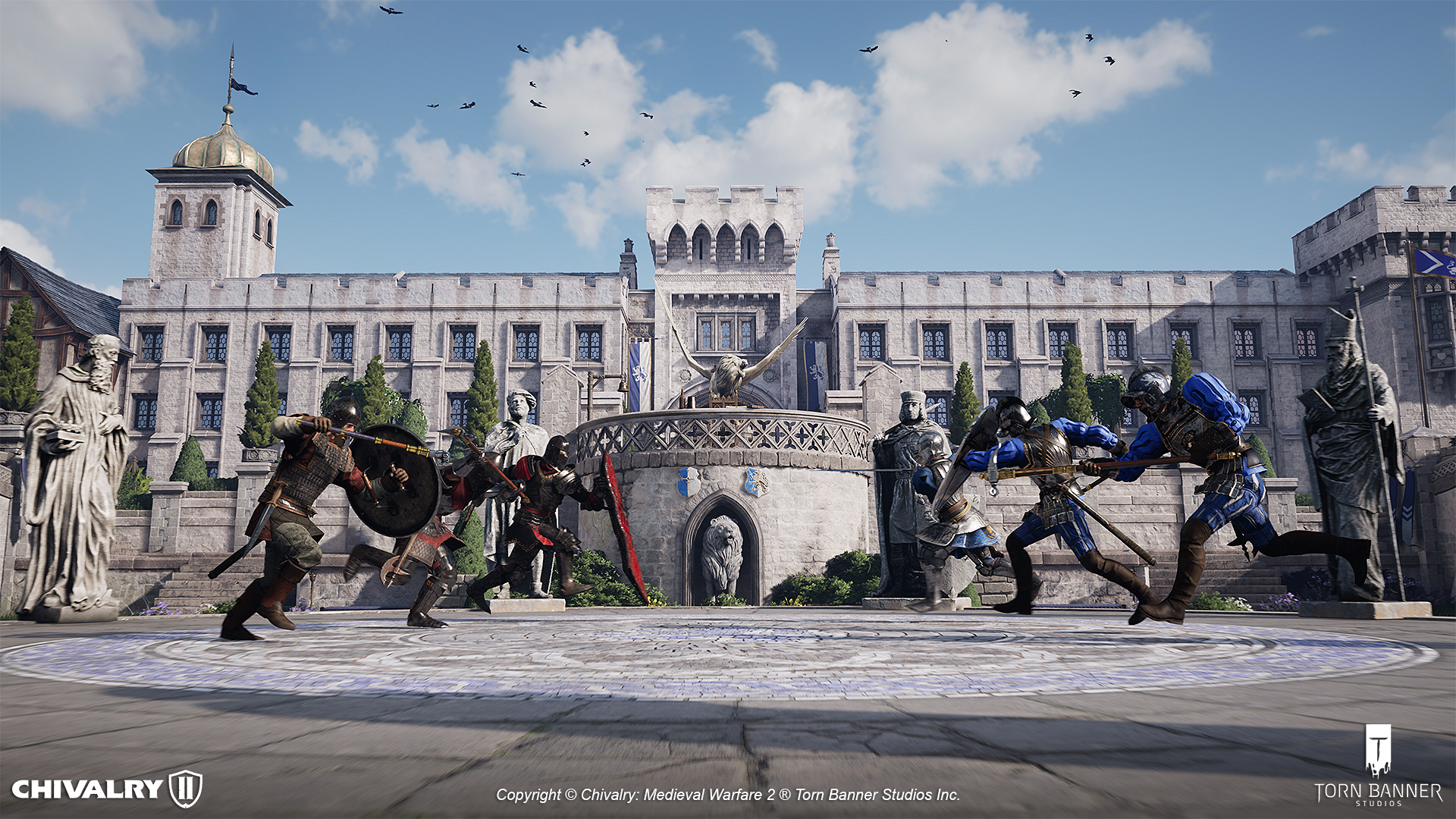
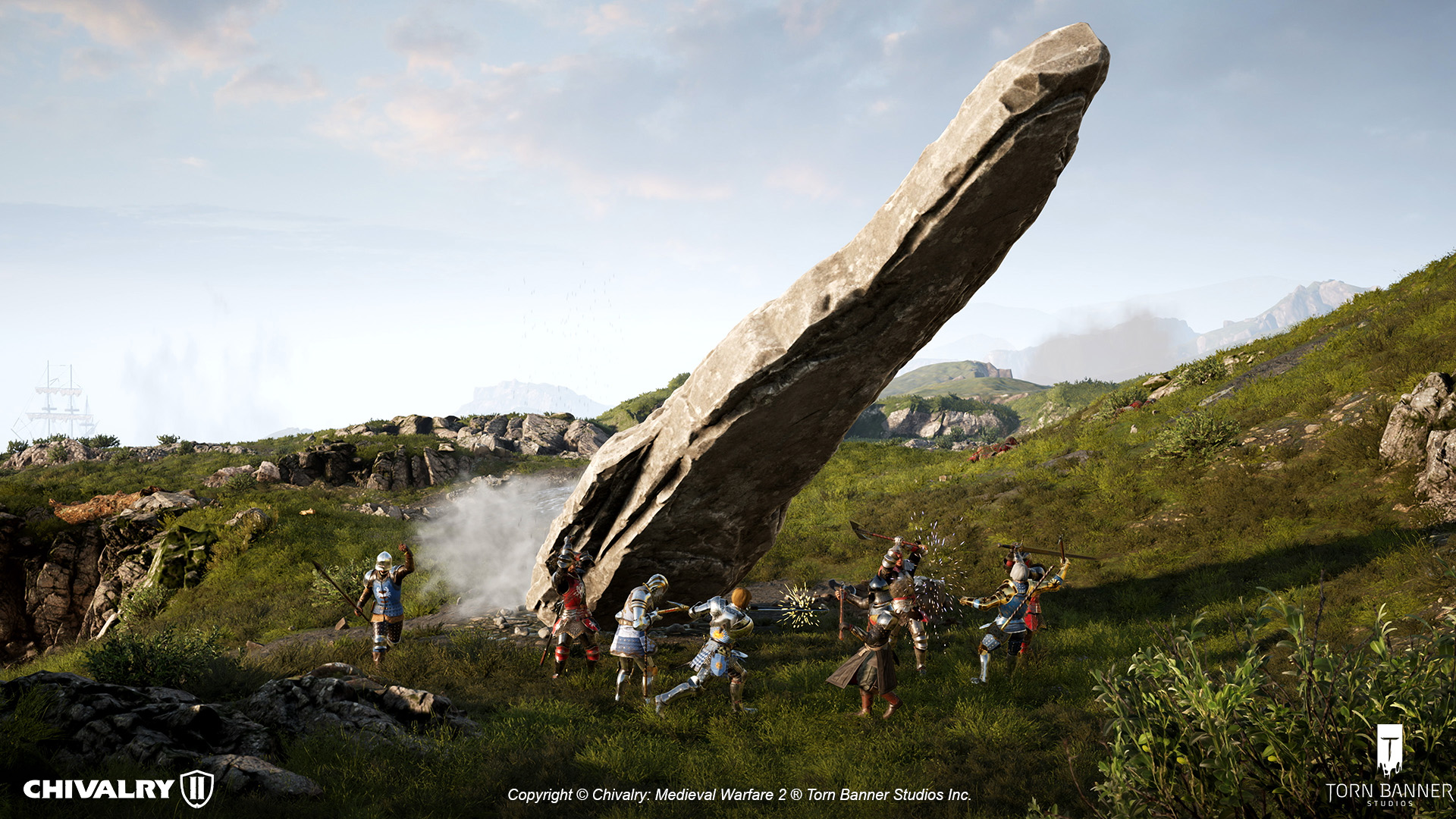
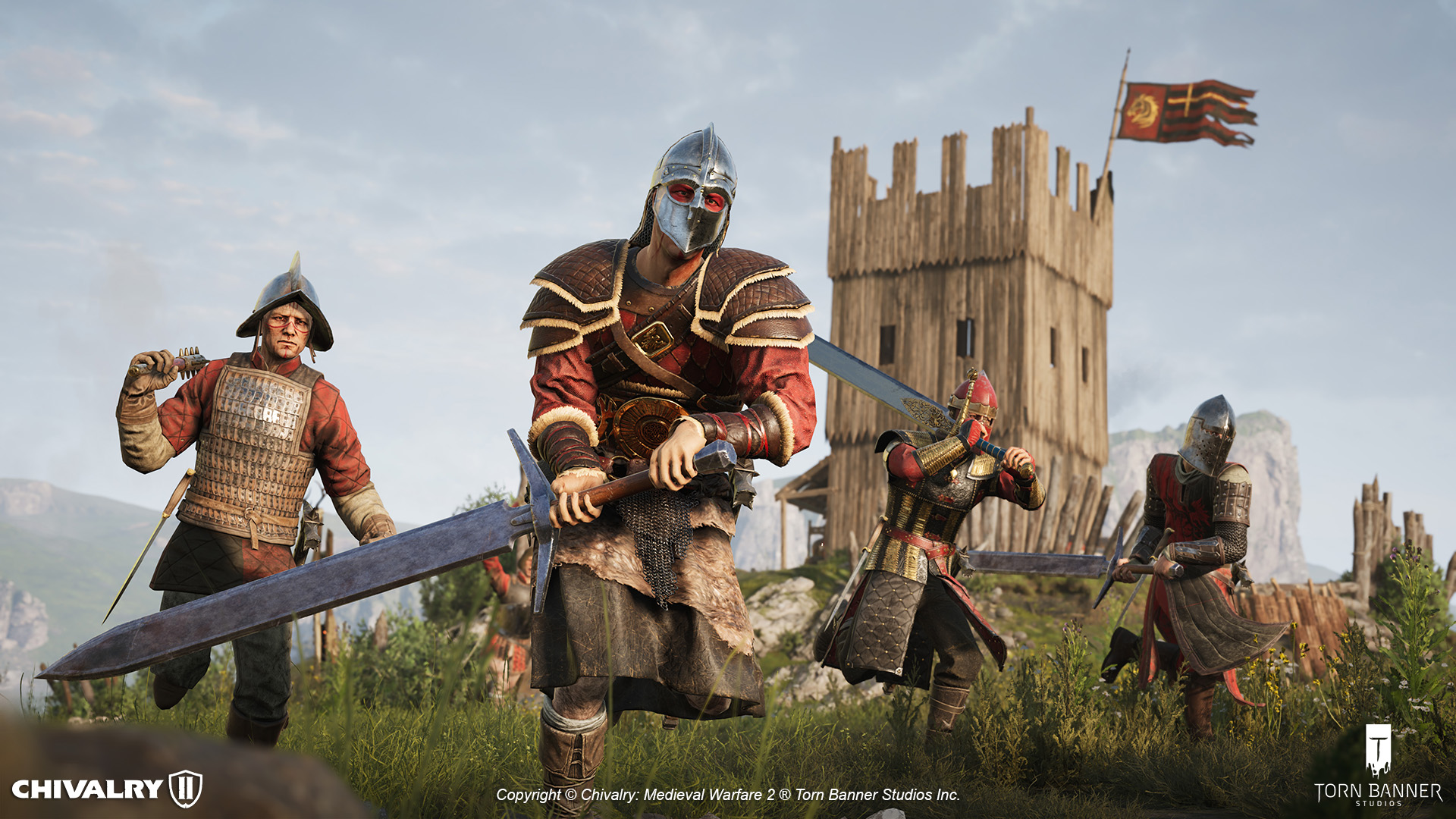
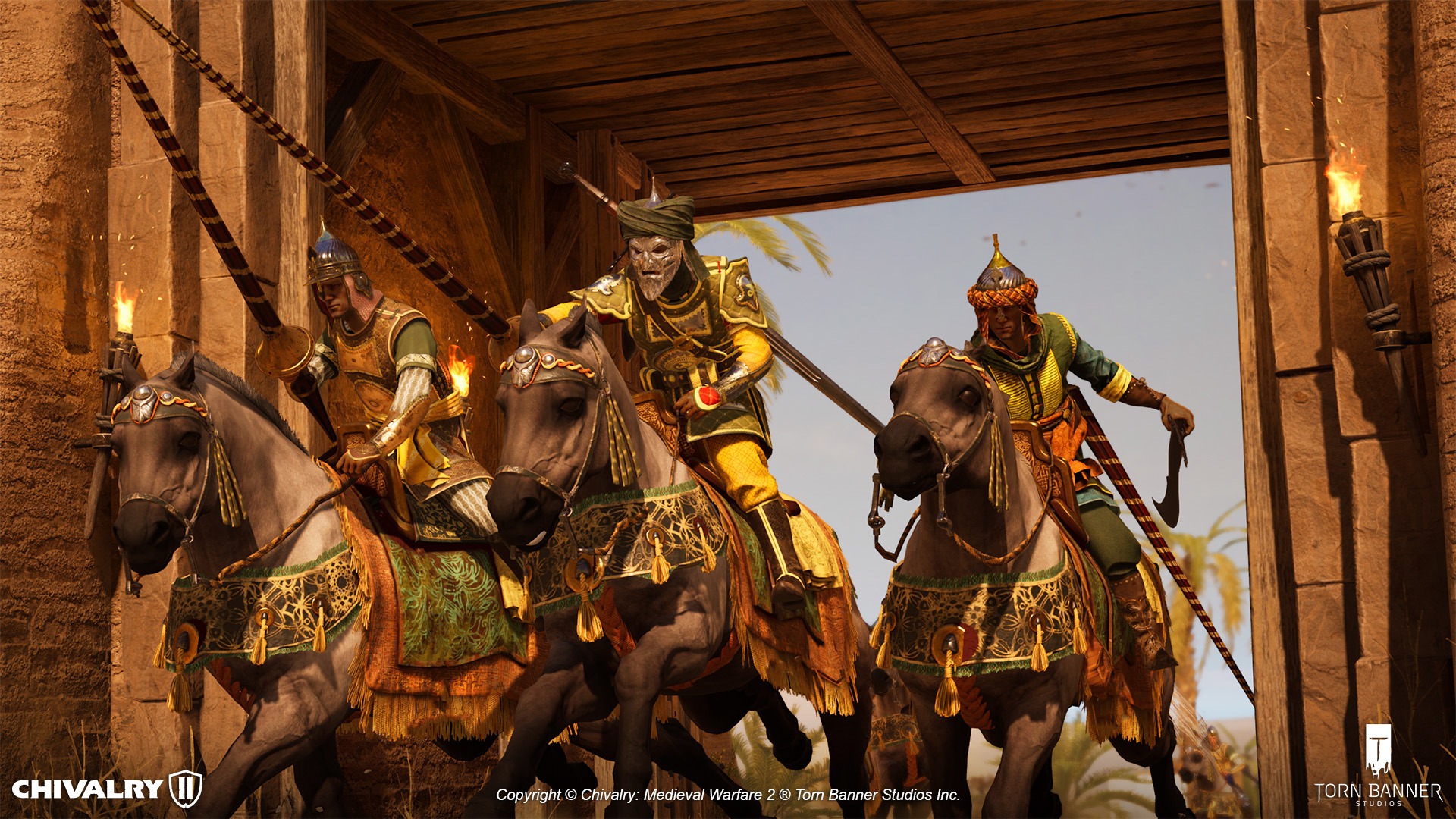
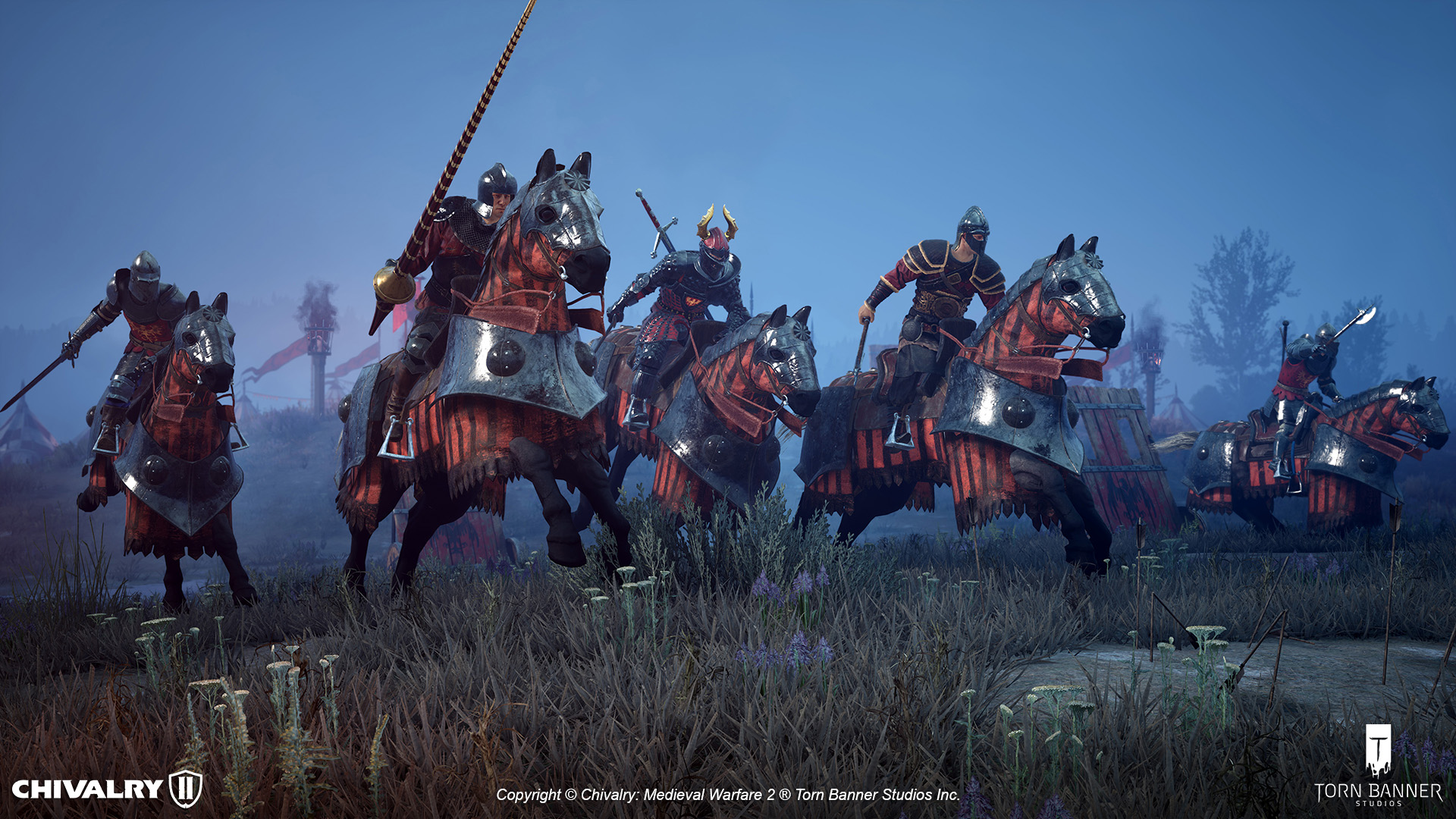
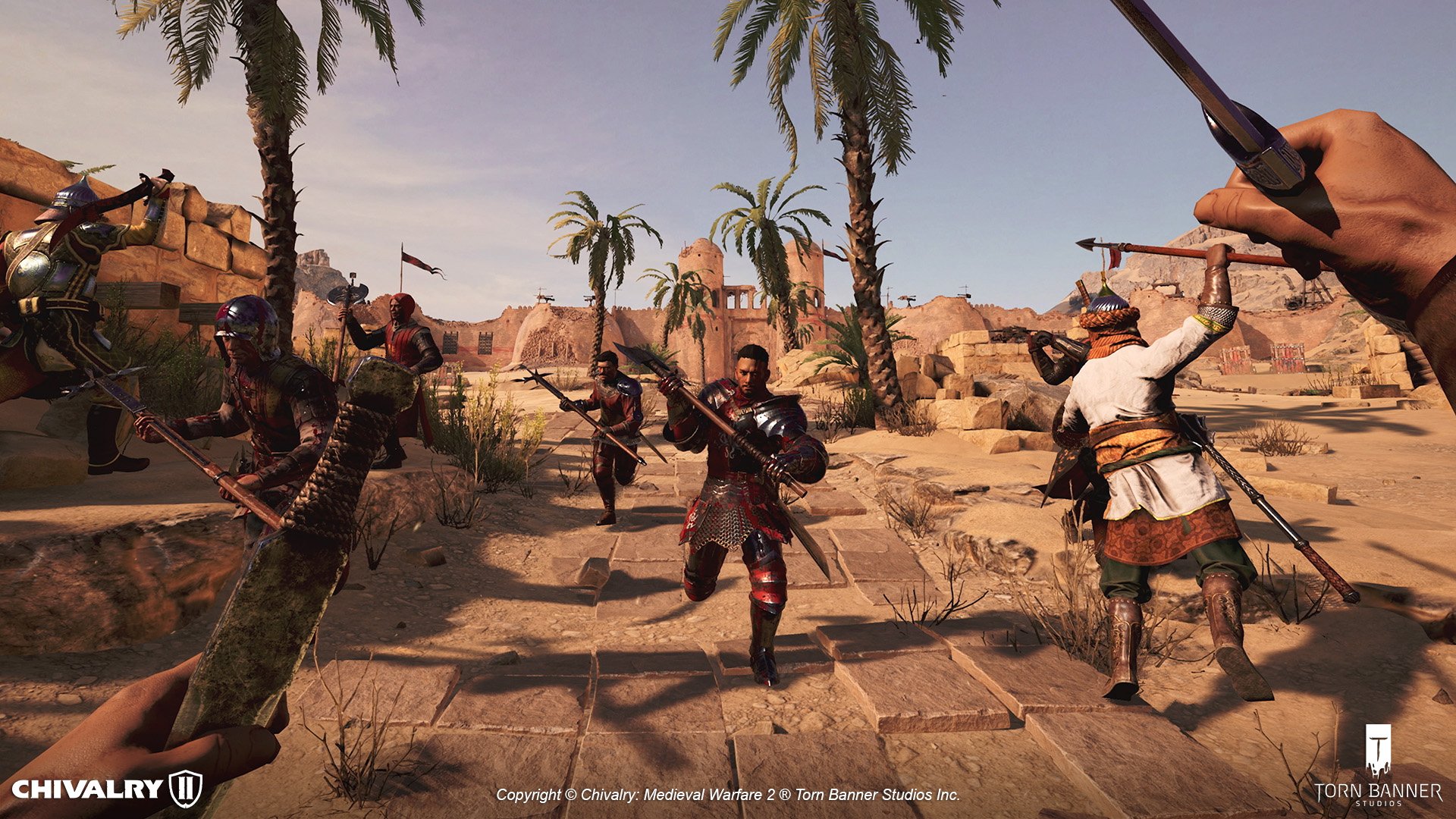
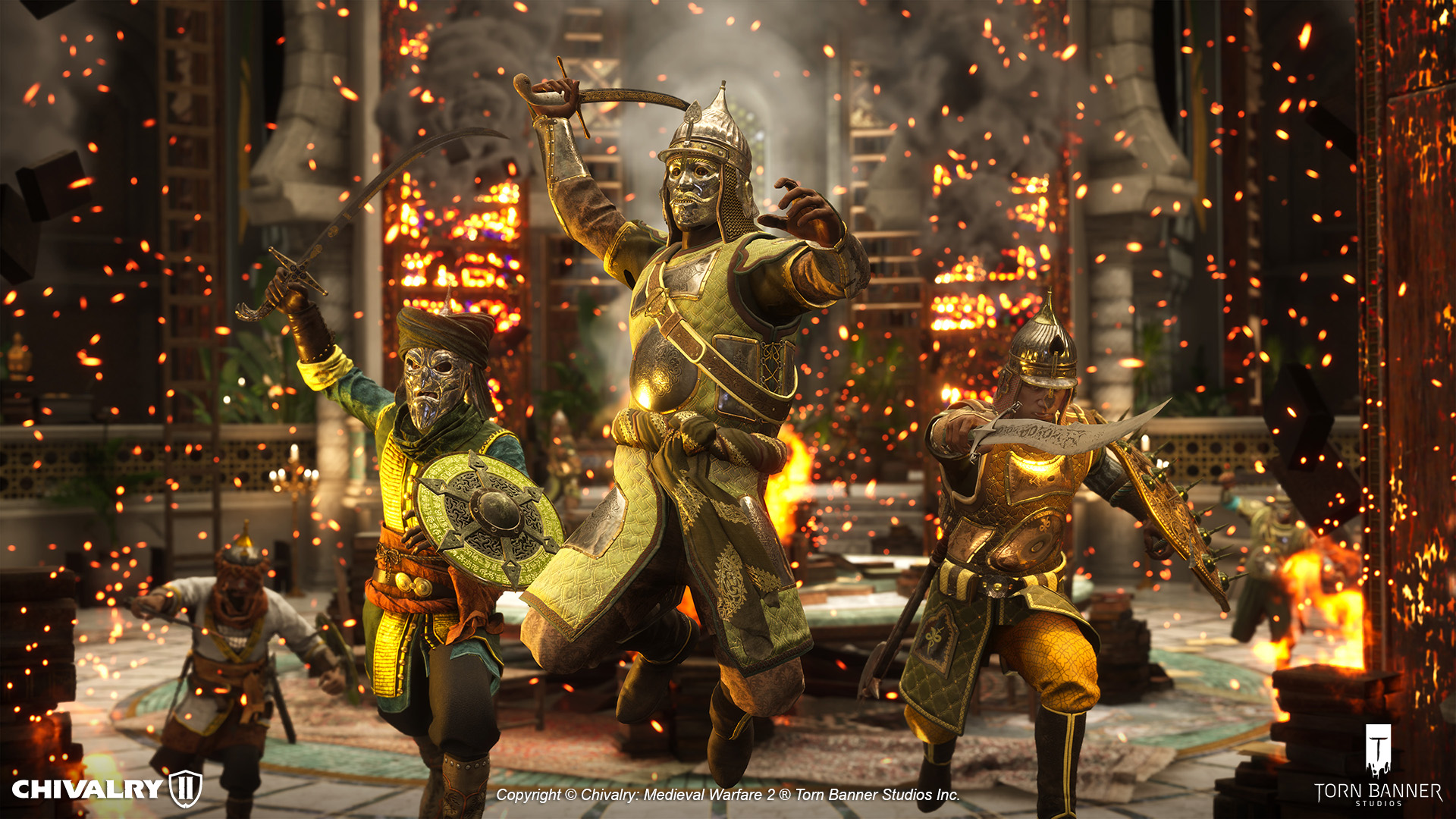
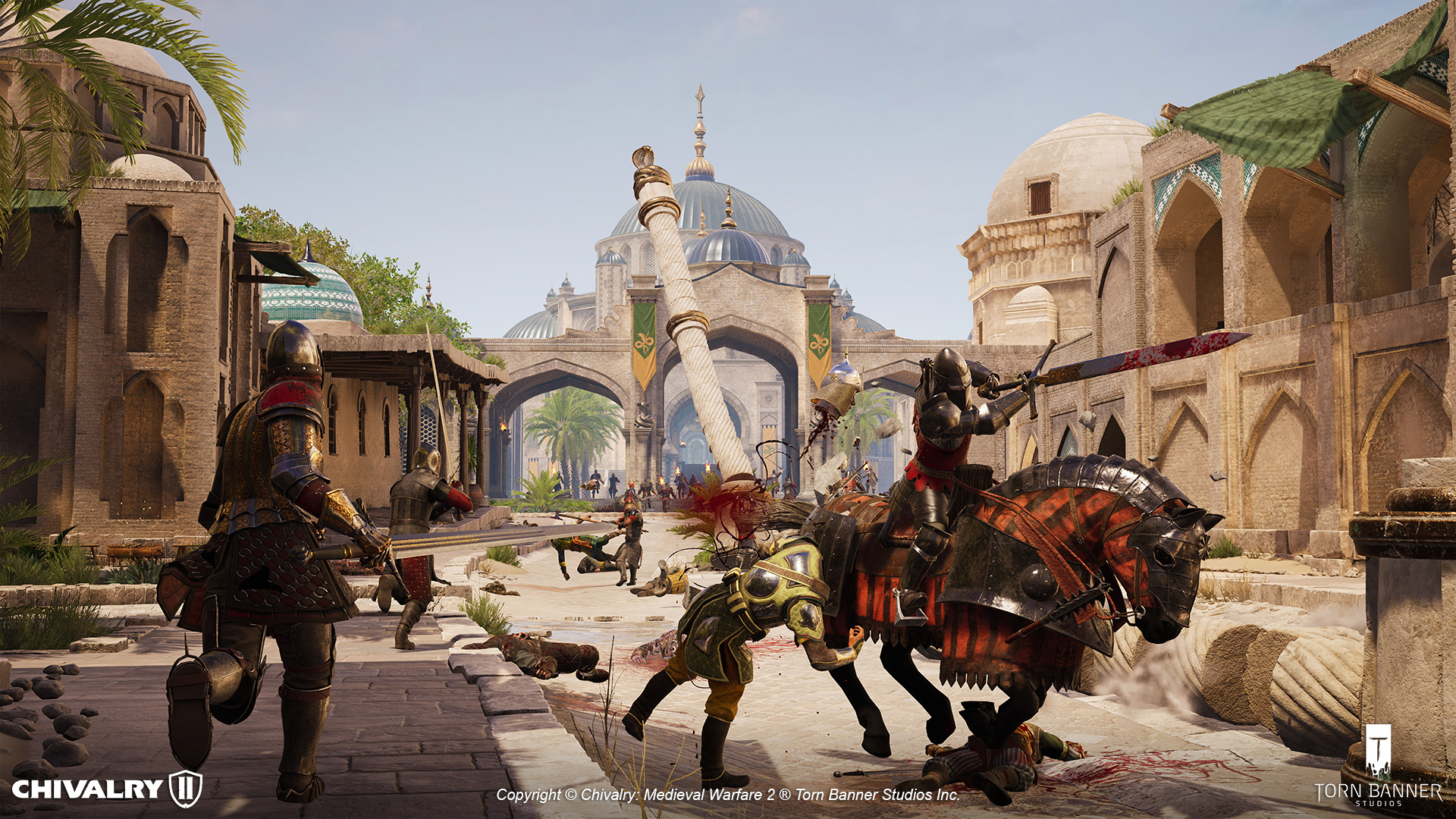
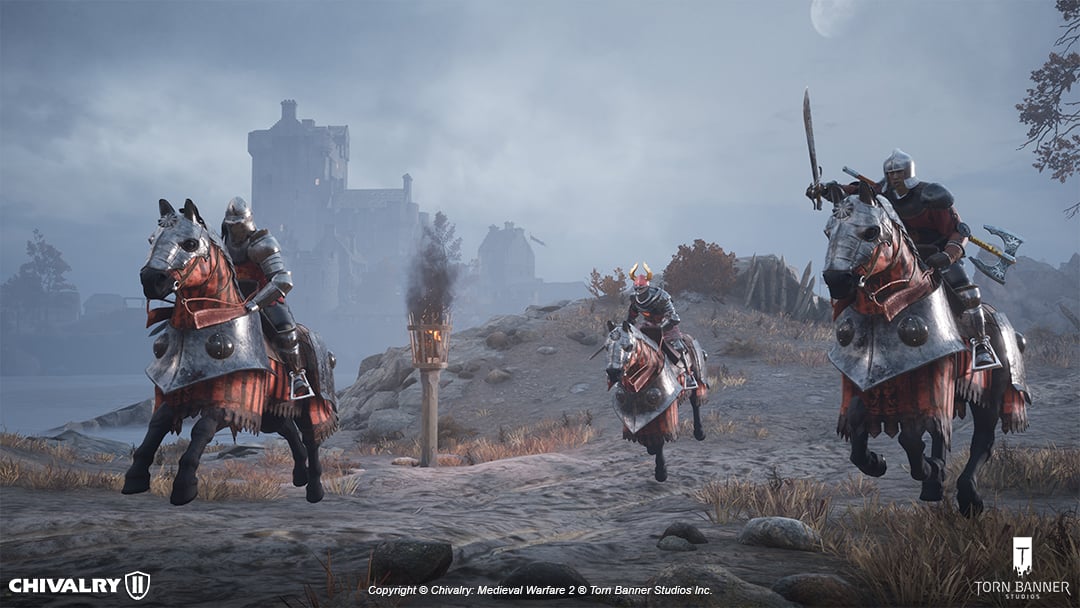
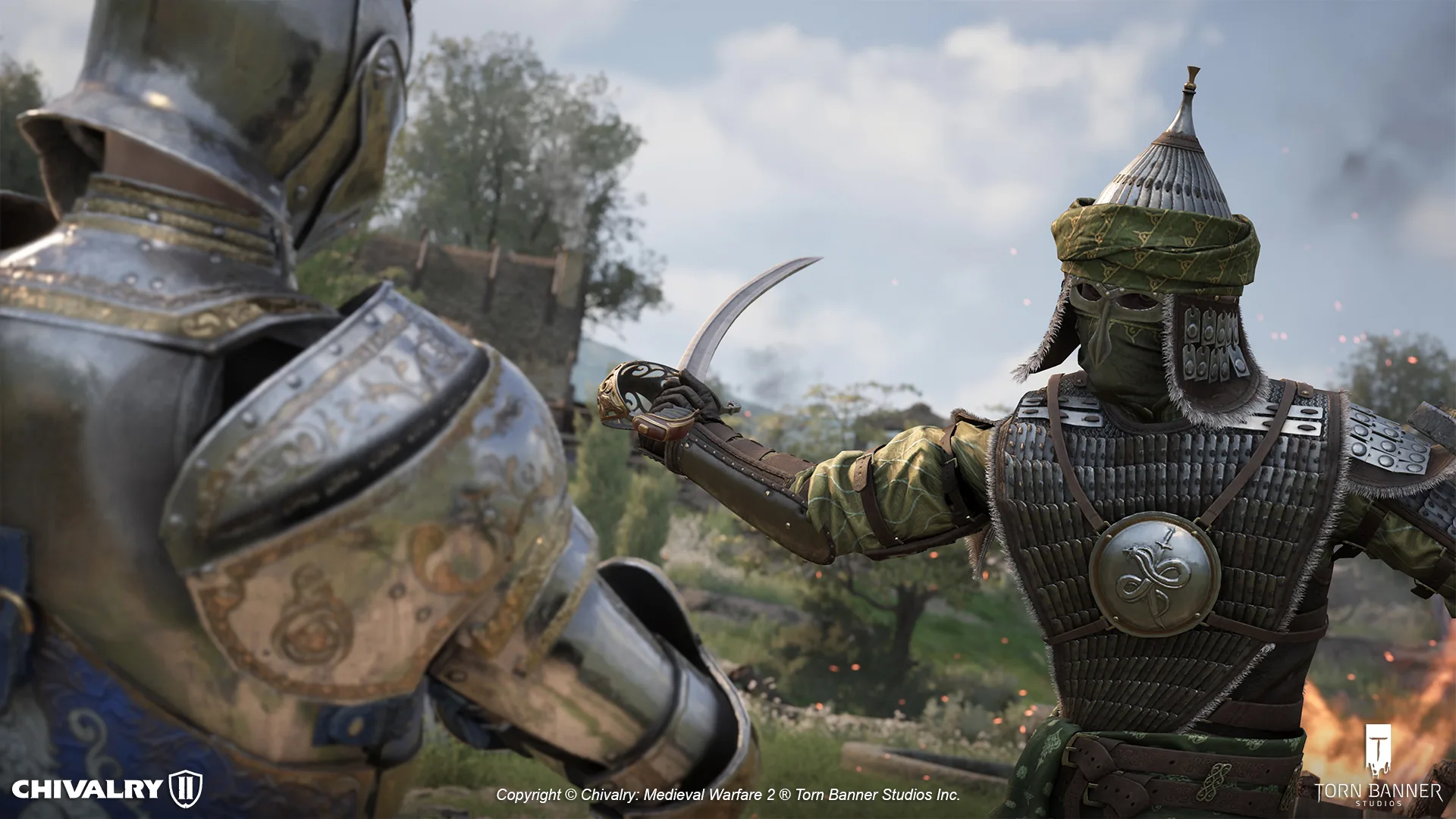
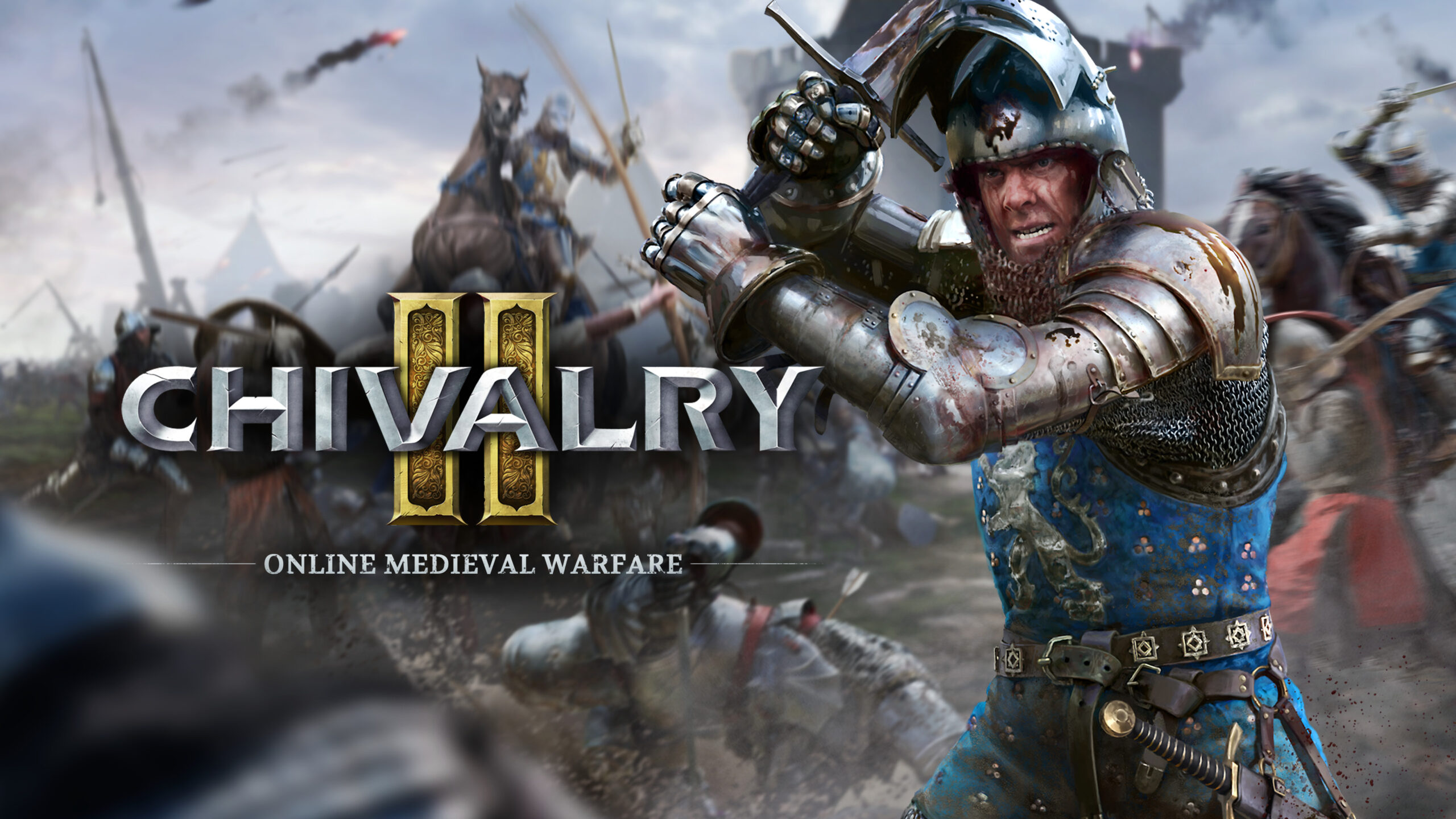
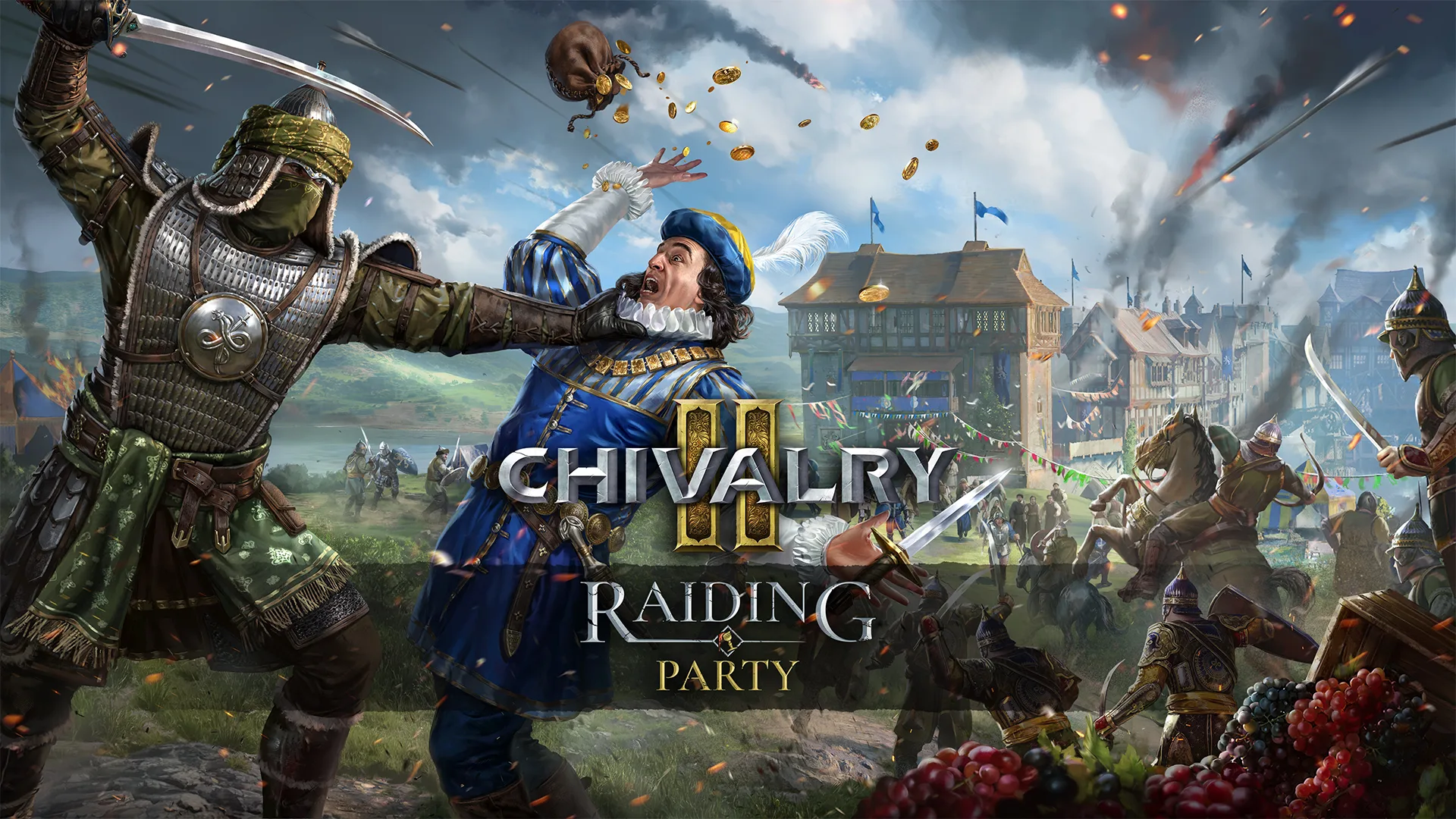
Chivalry 2 is a multiplayer first person slasher inspired by epic medieval movie battles. Players are thrust into the action of every iconic moment of the era - from clashing swords, to storms of flaming arrows, to sprawling castle sieges and more.
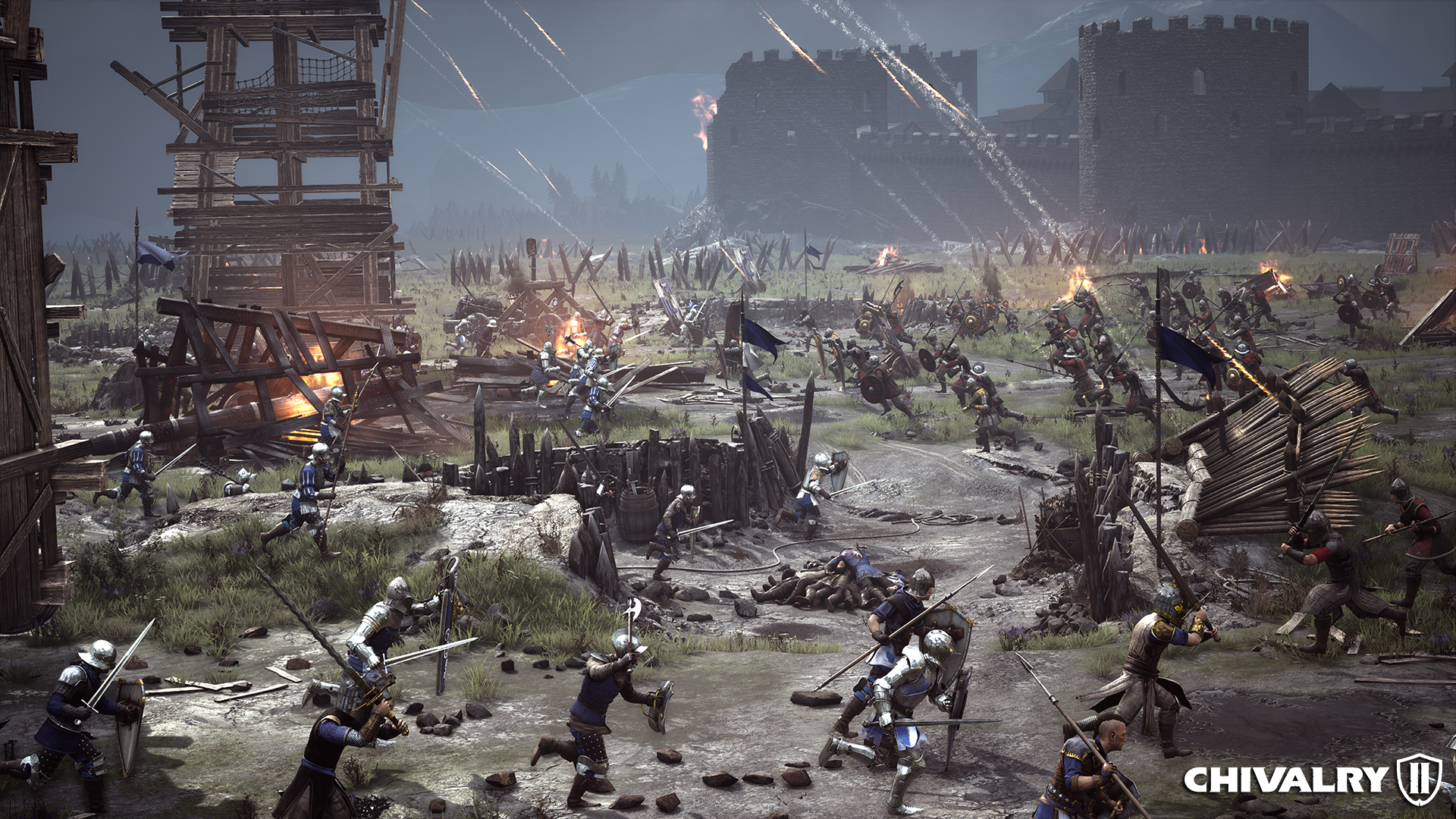
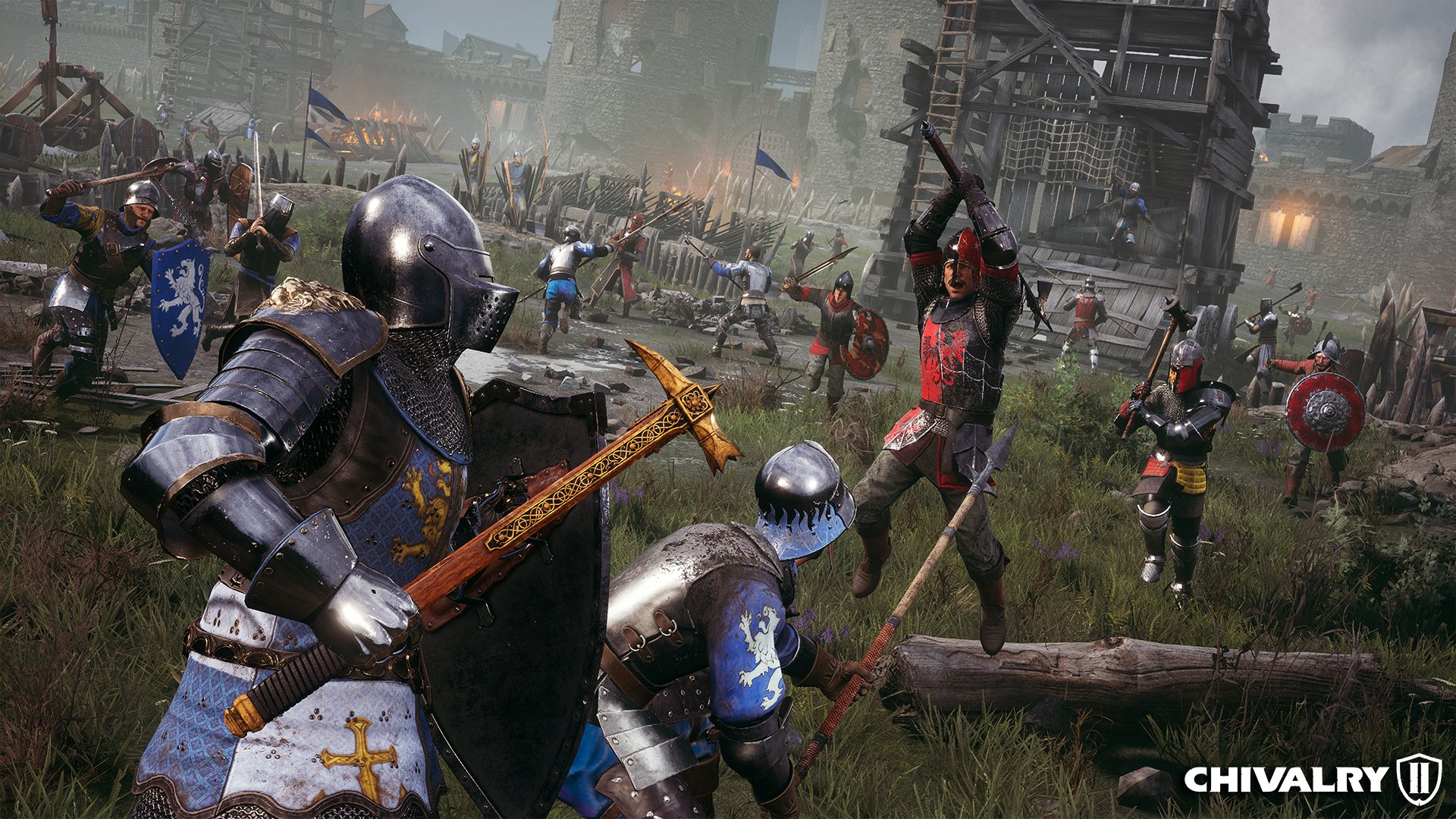
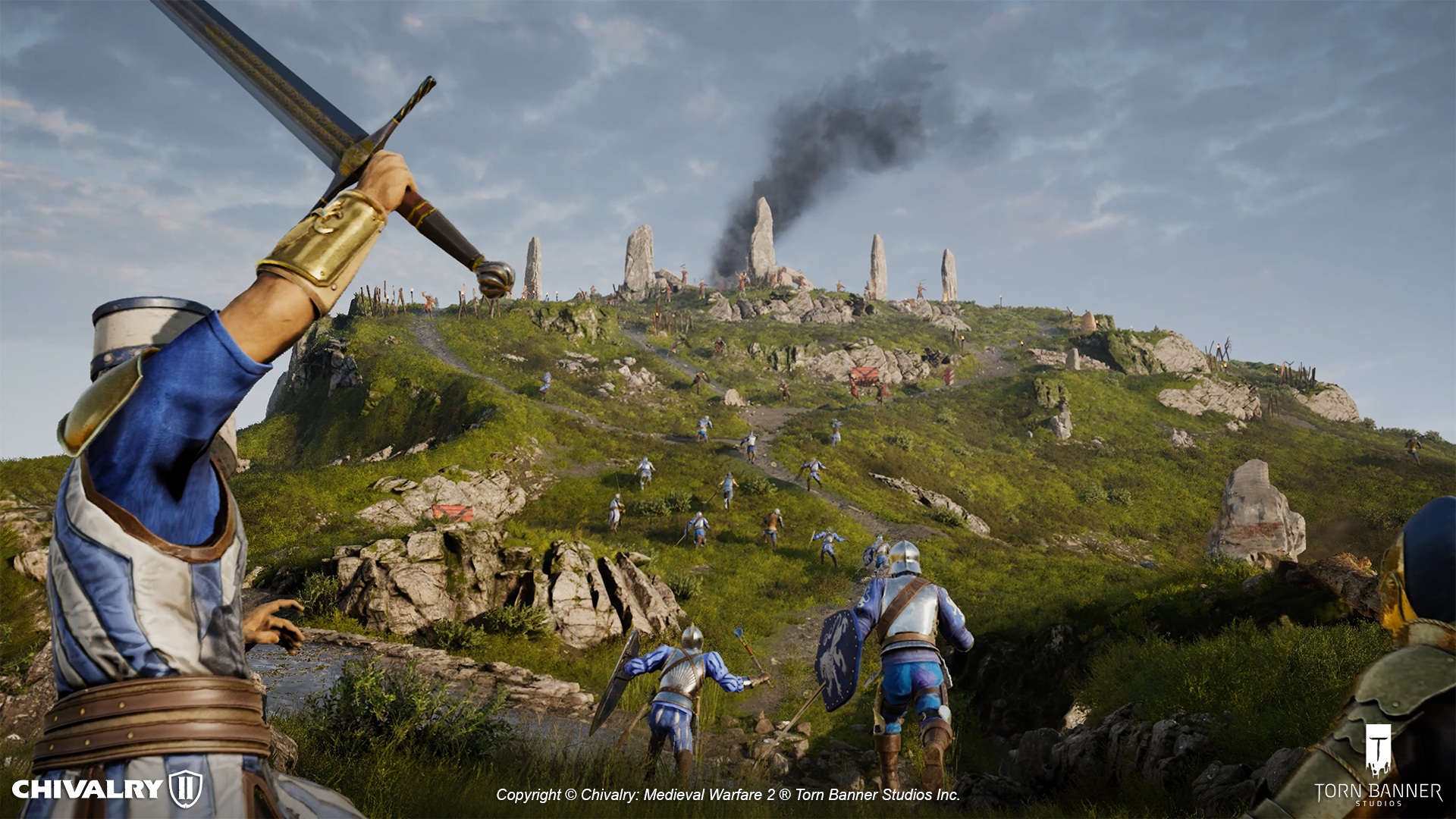
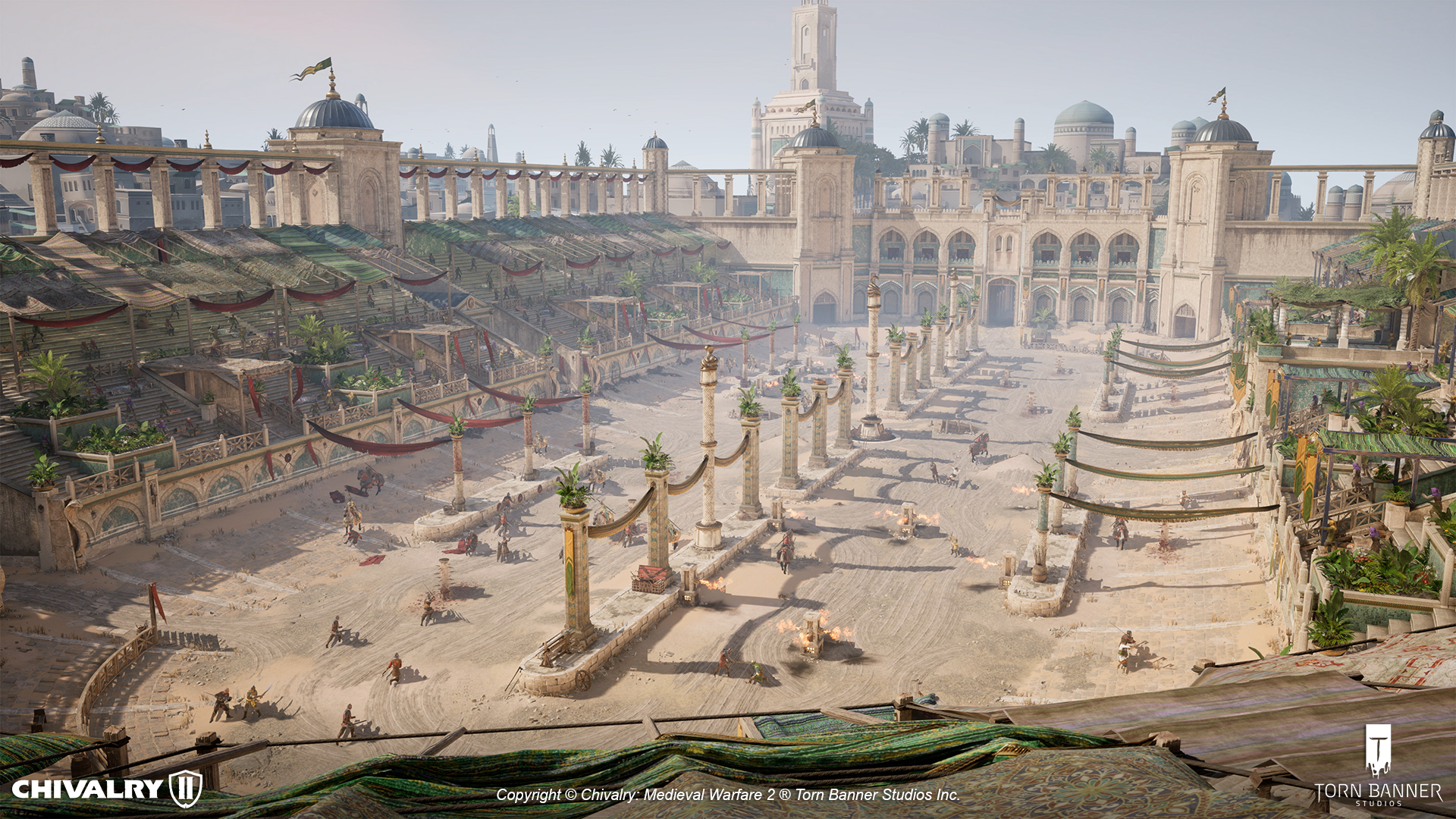
Dominate massive 64-player battlefields
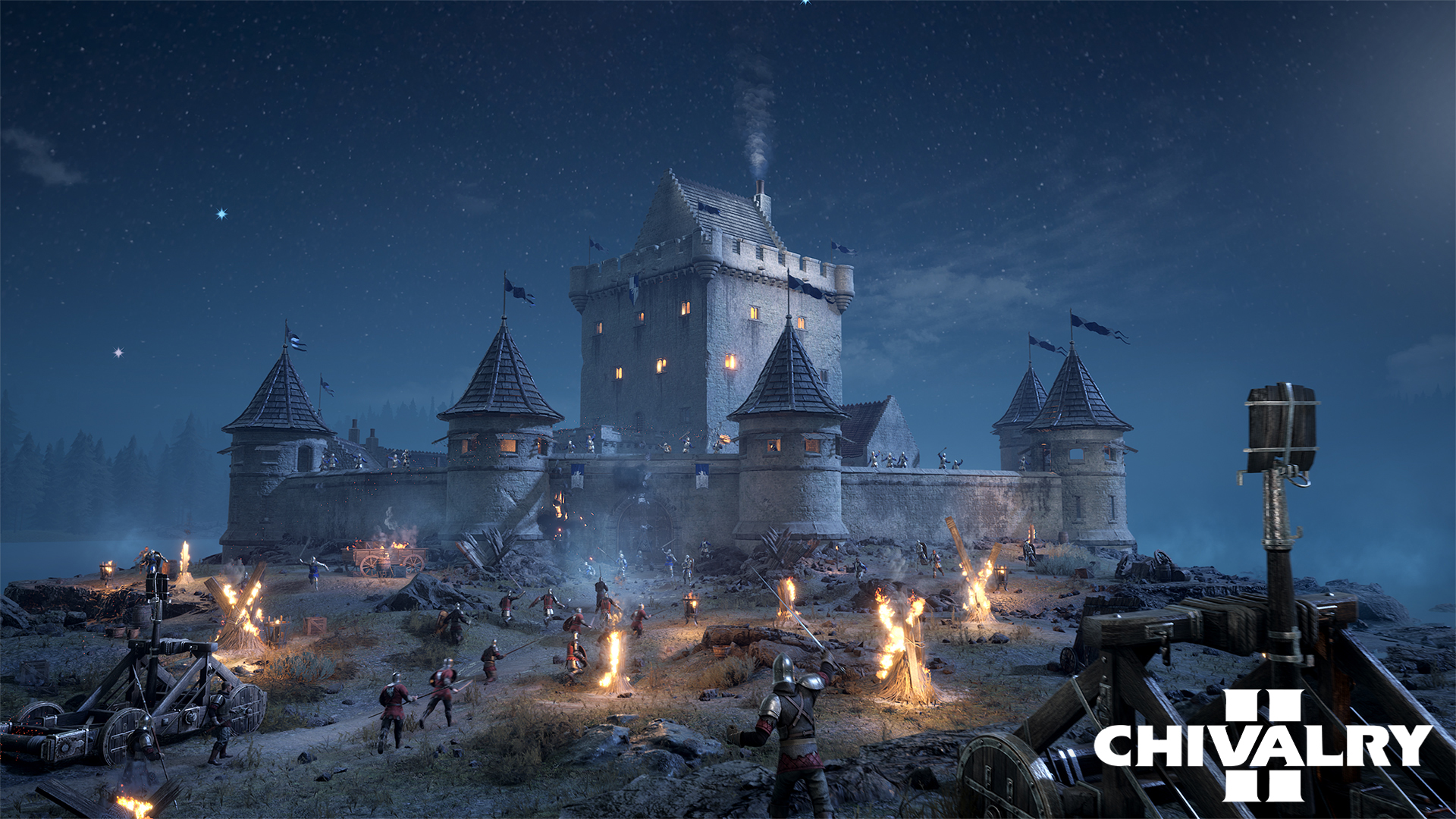
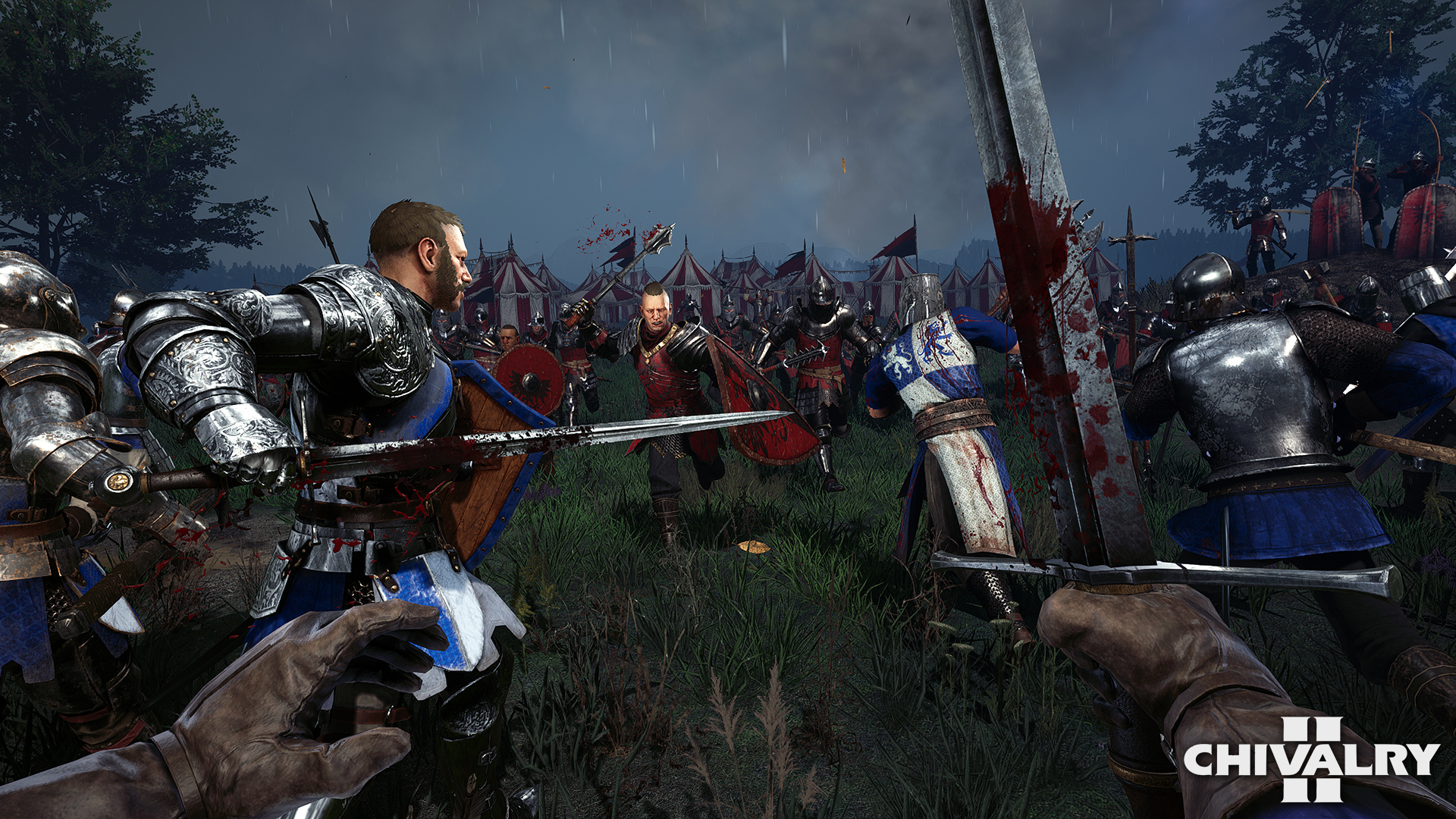
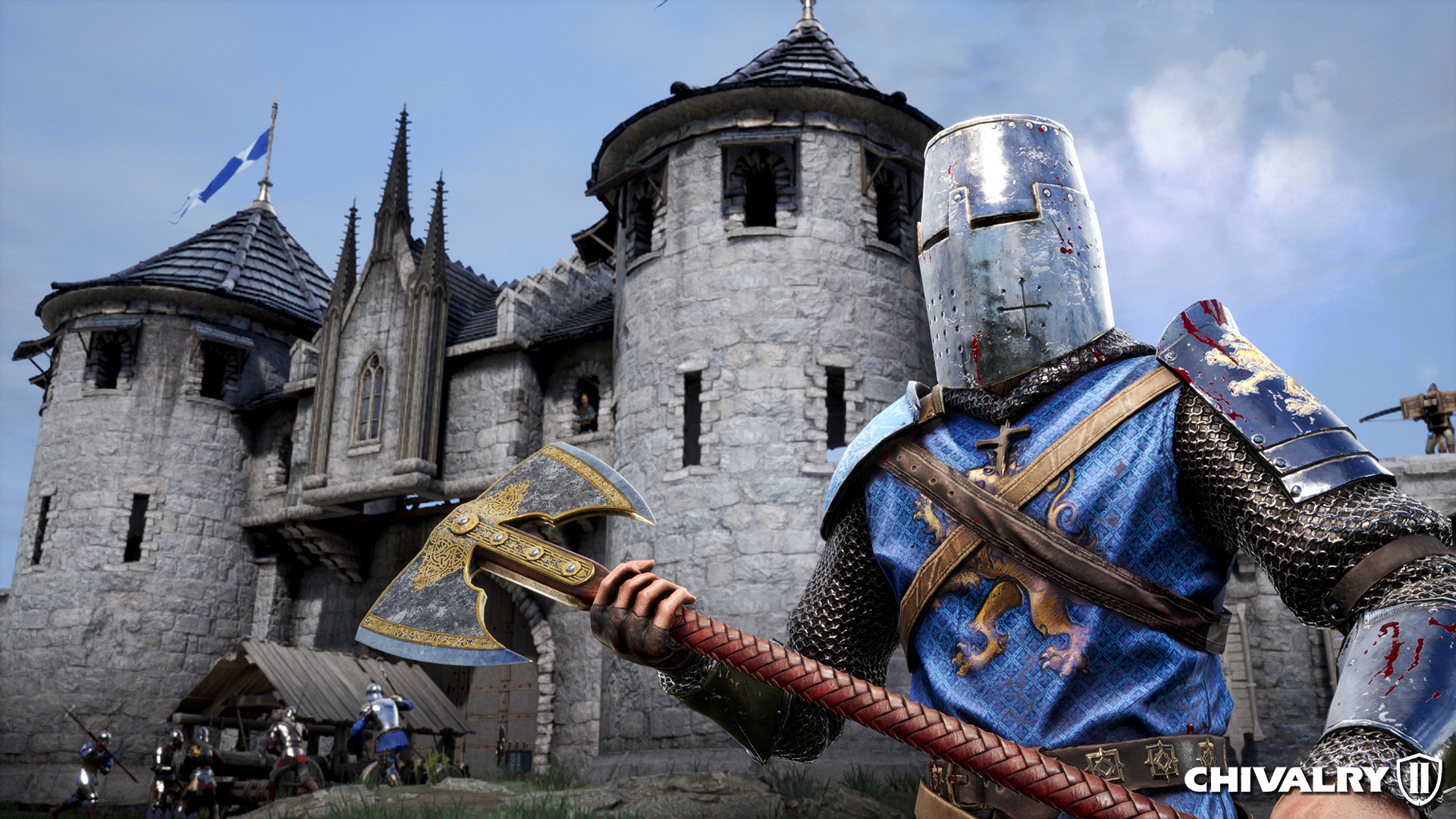
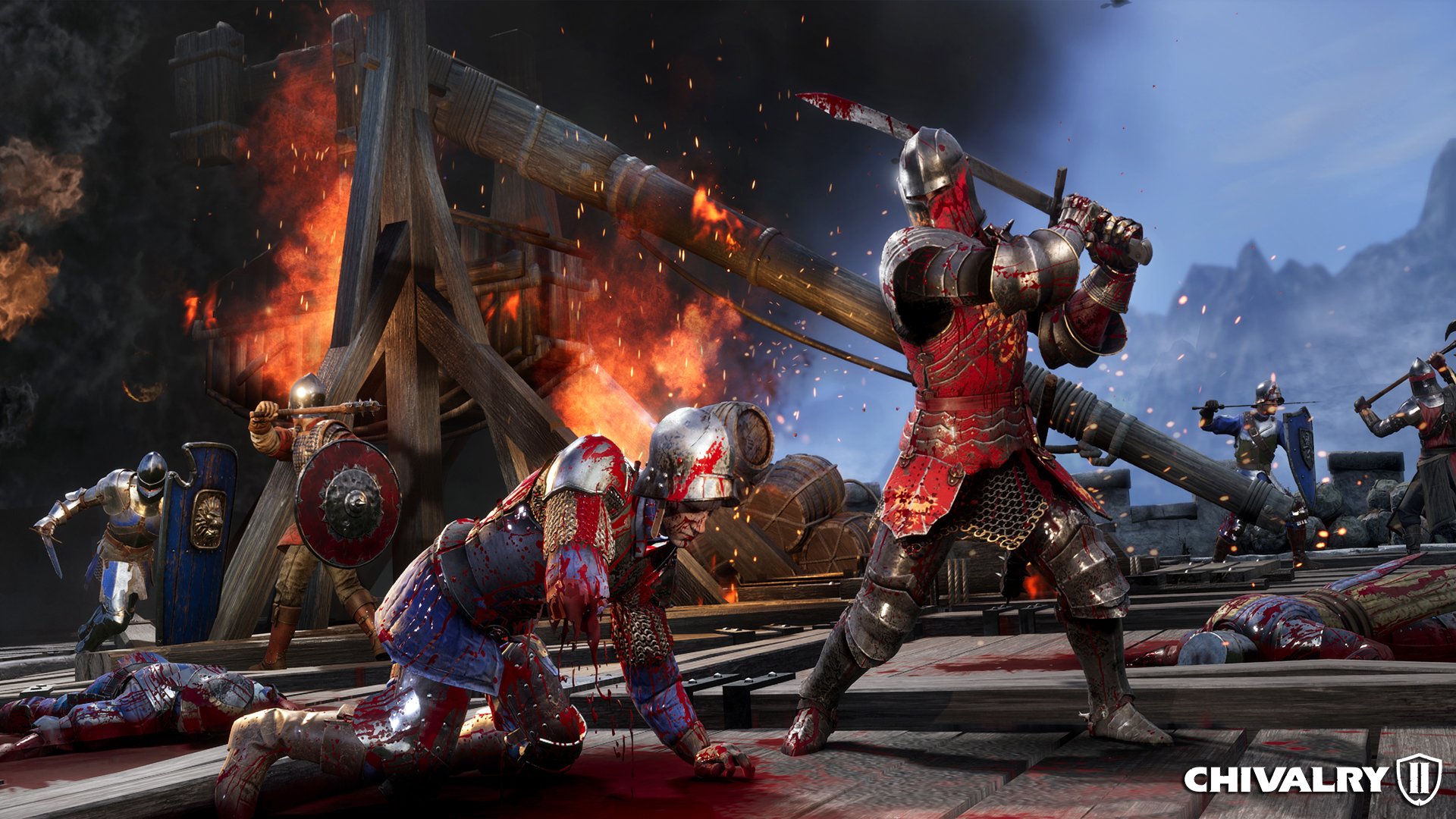
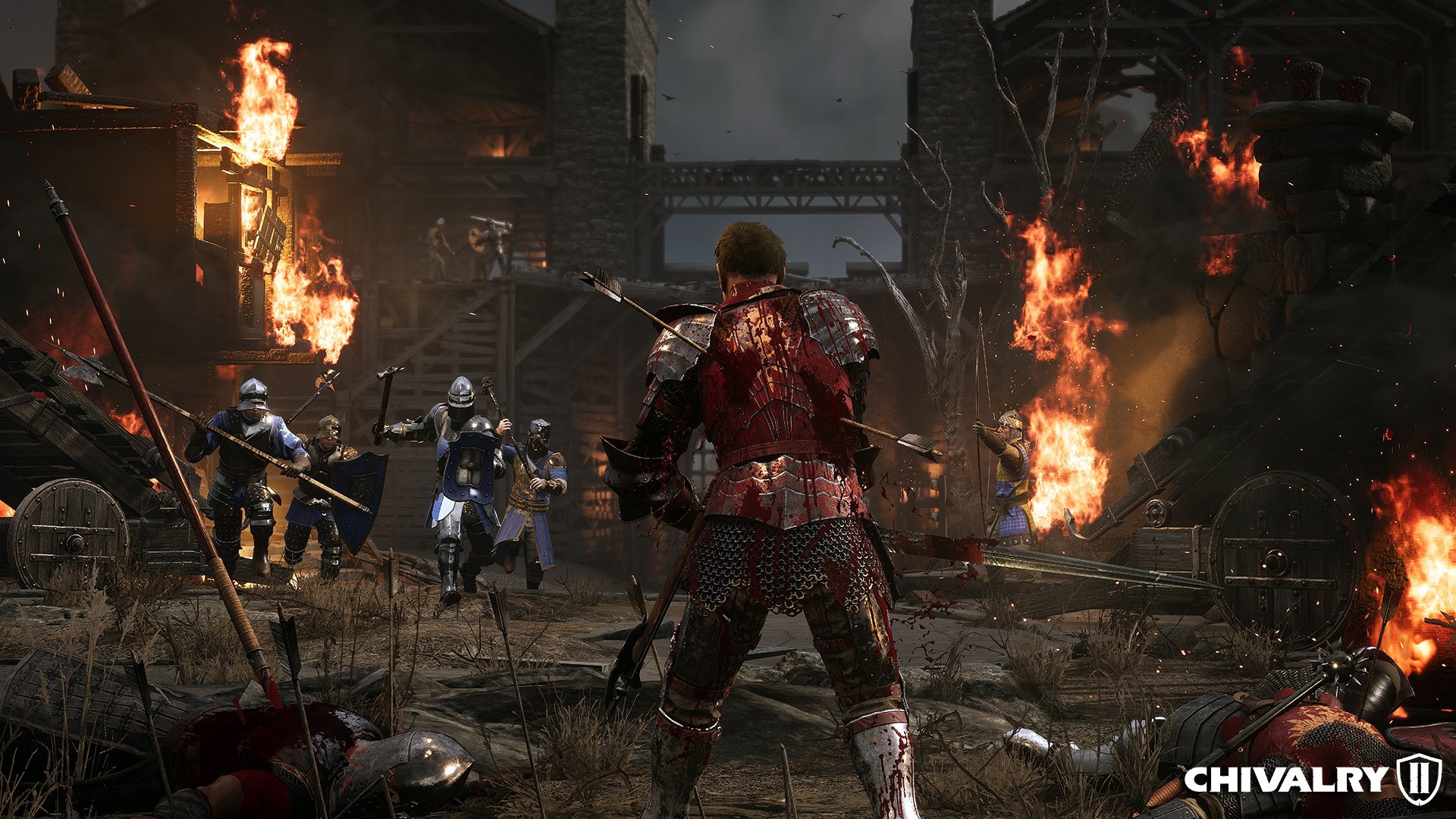
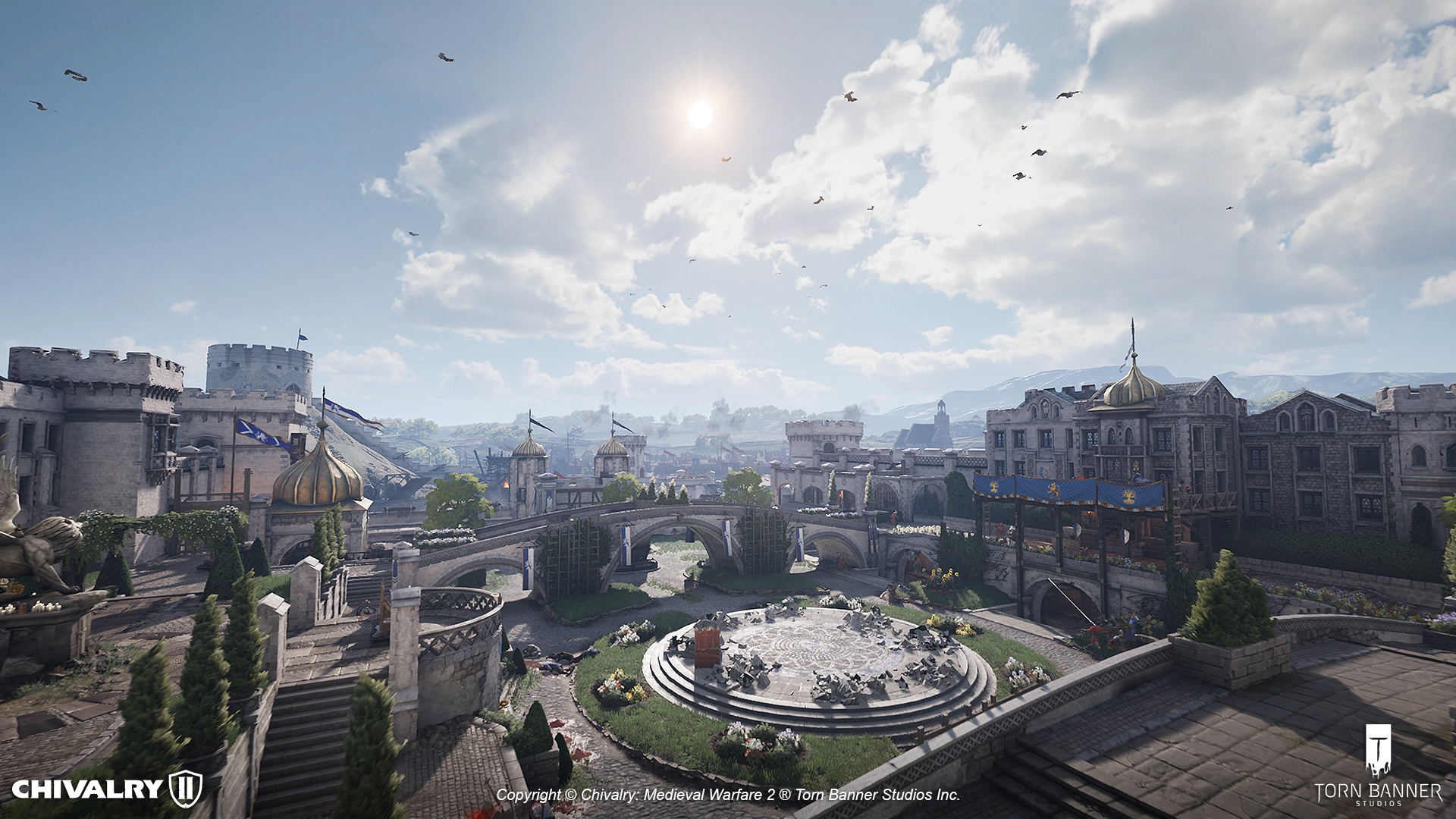
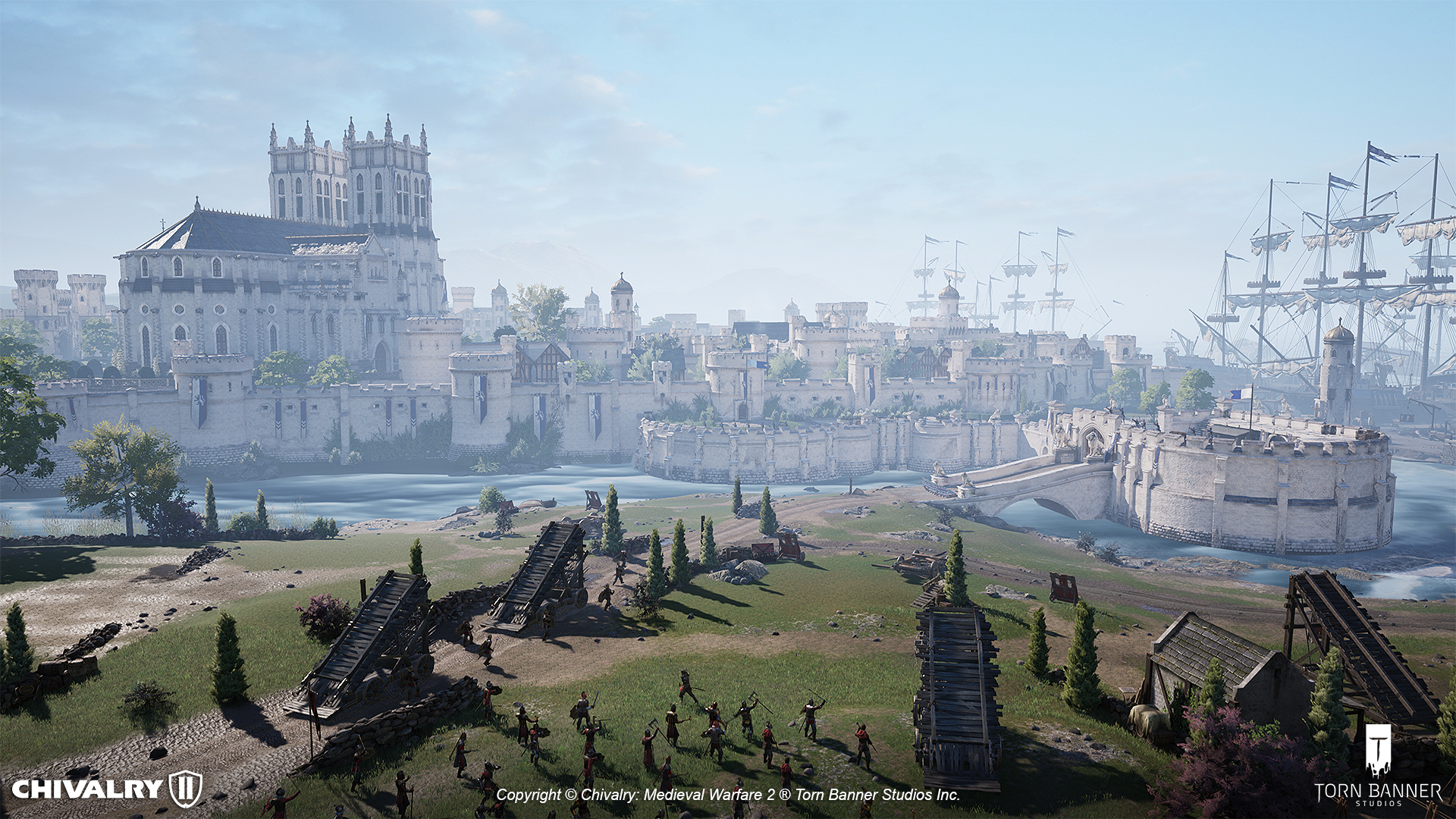
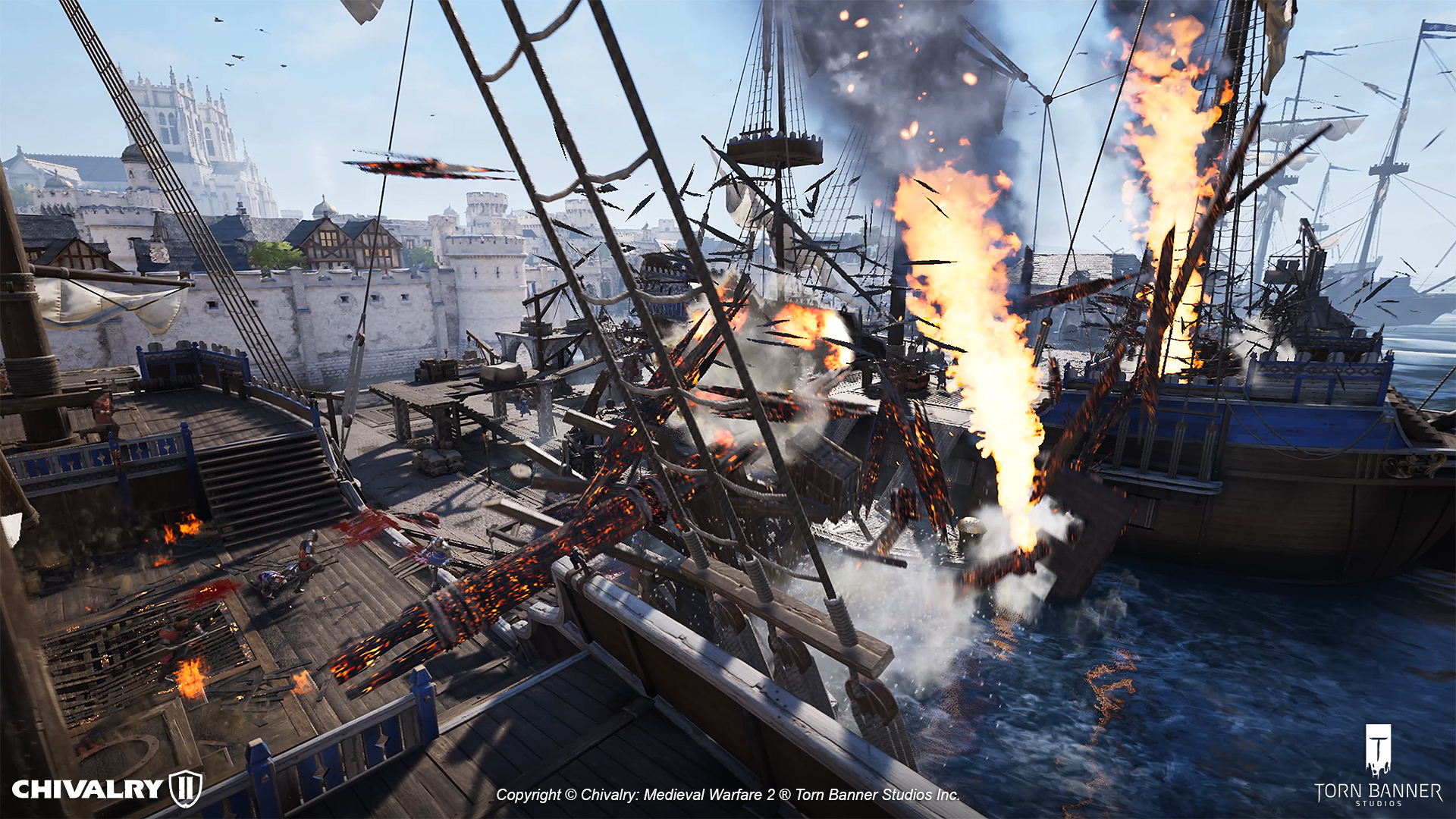
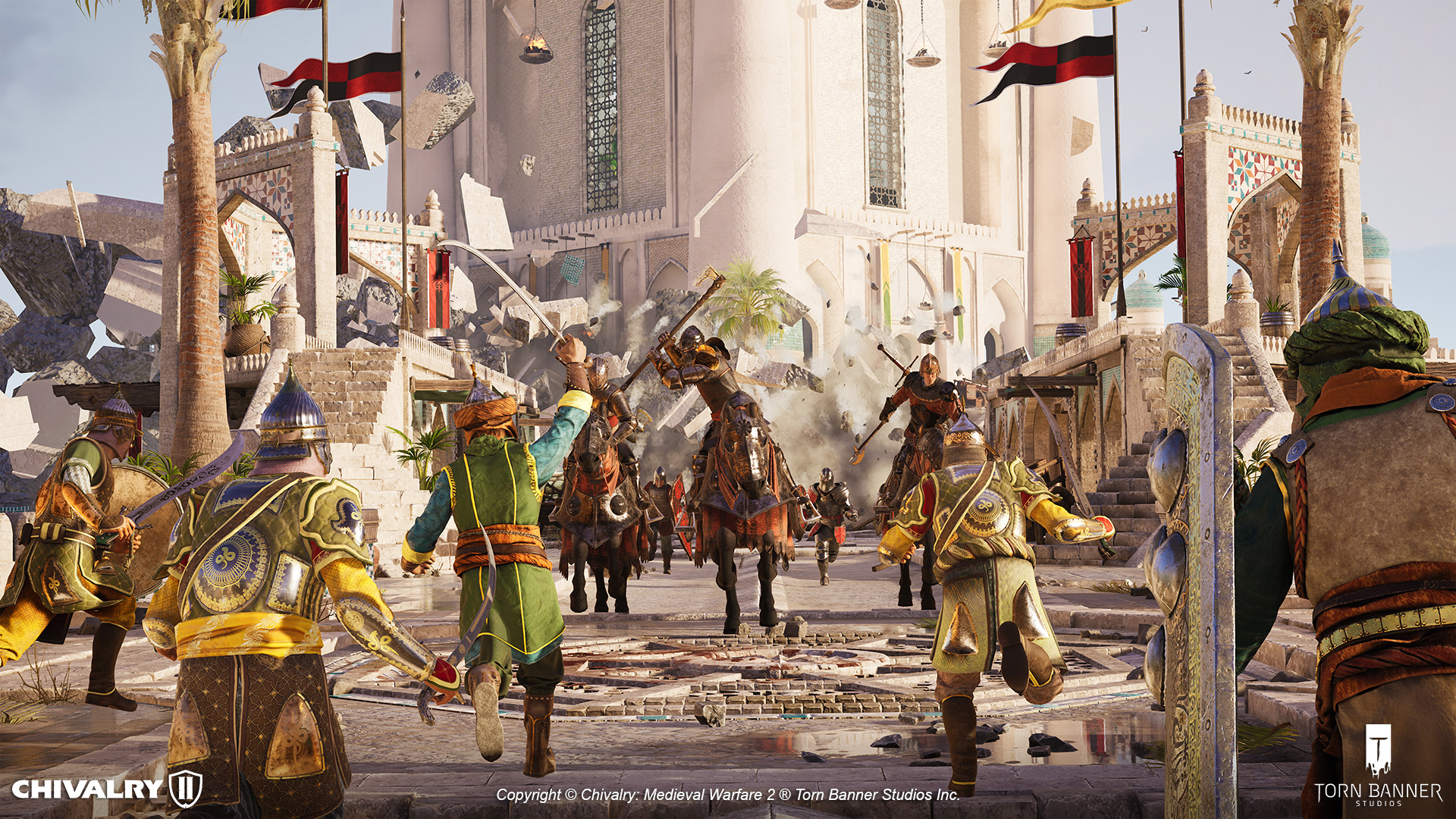
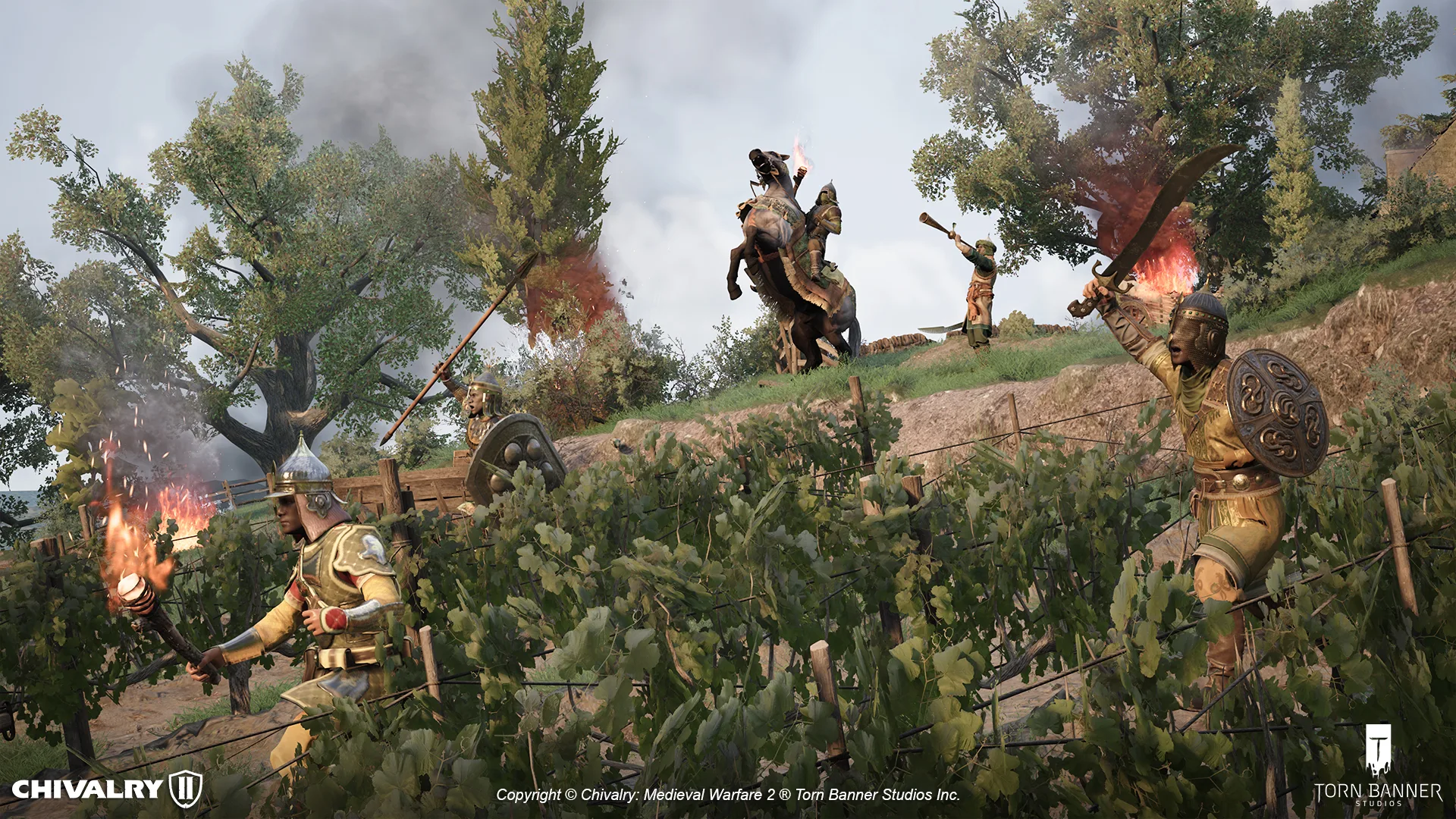
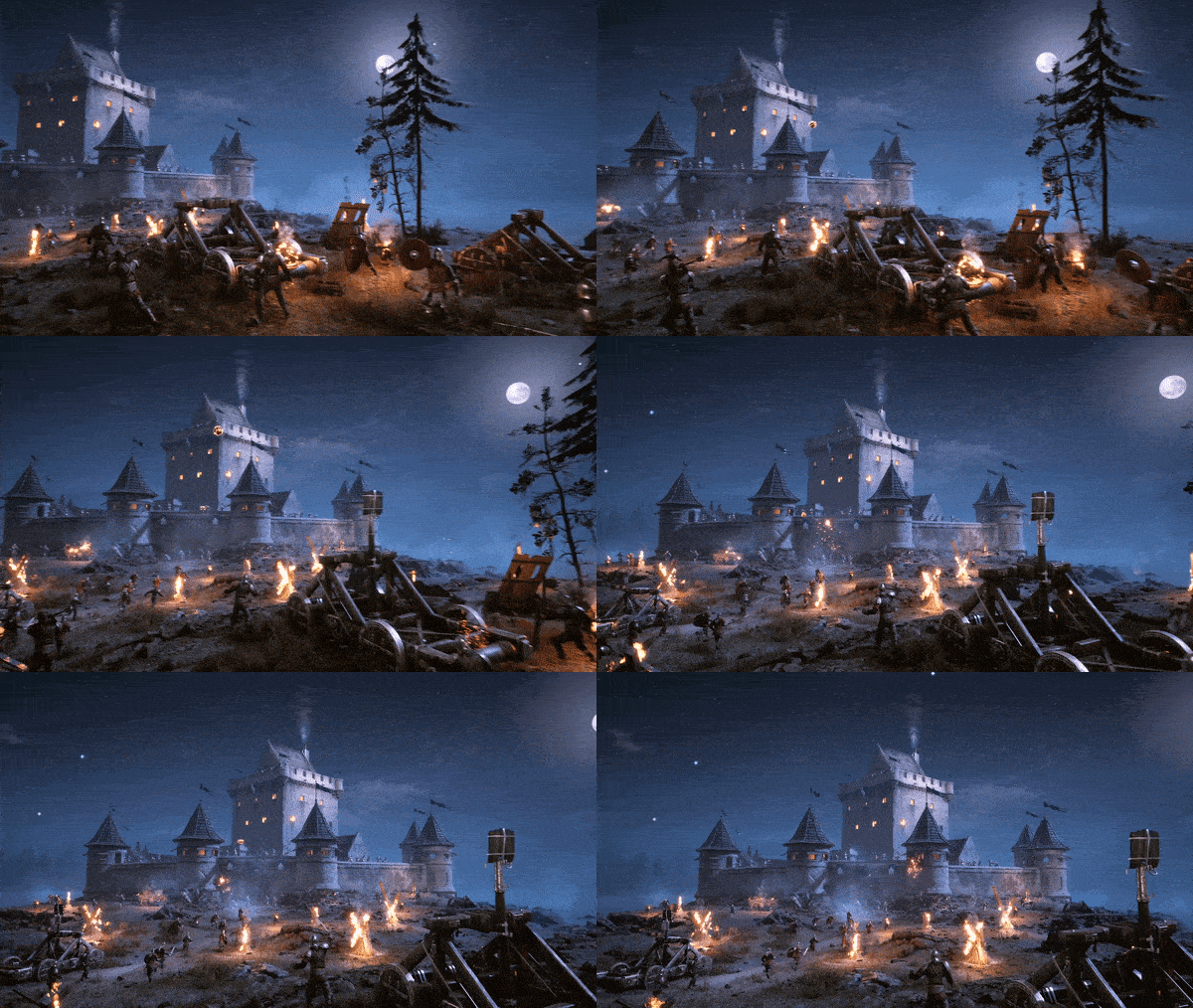
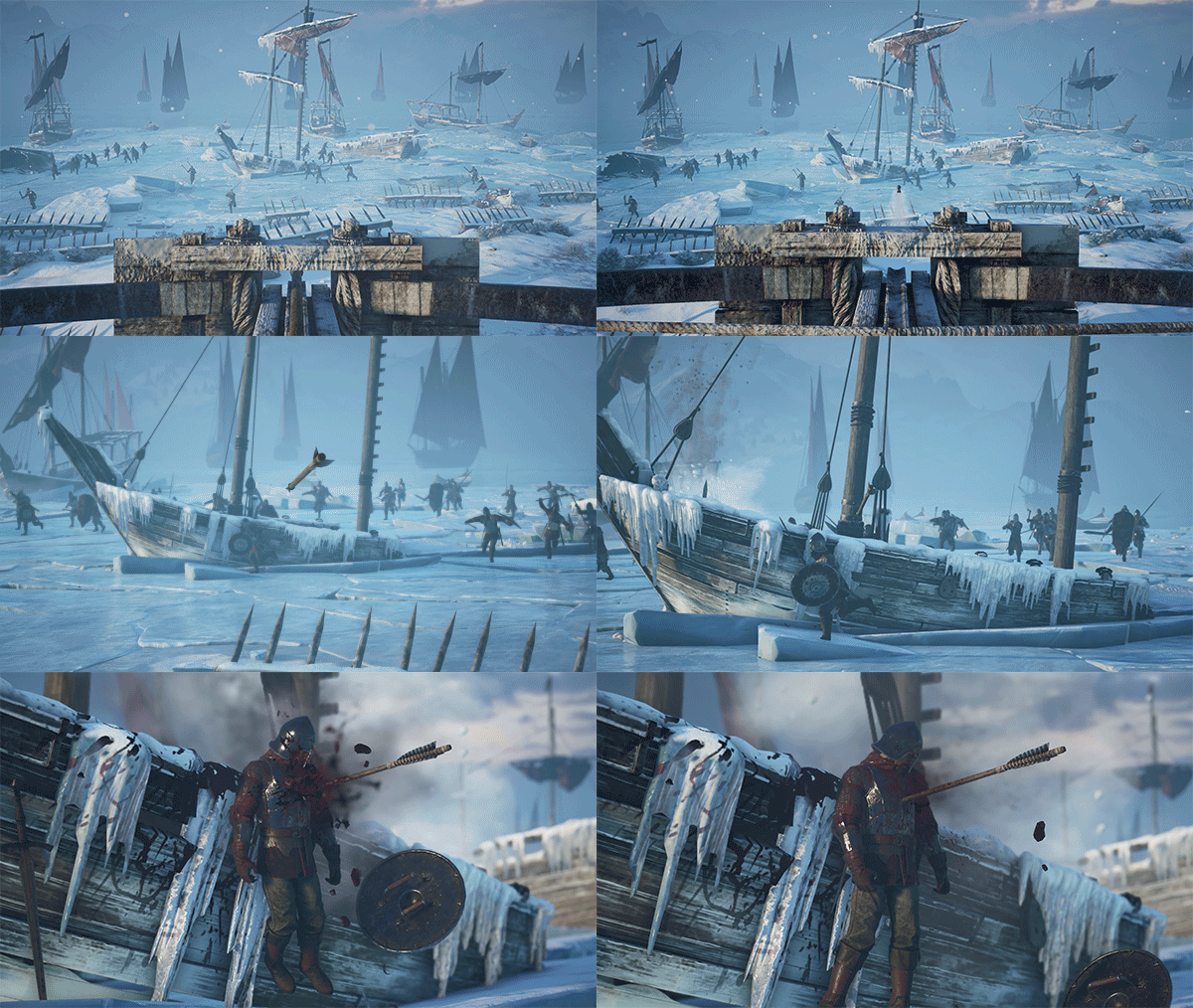
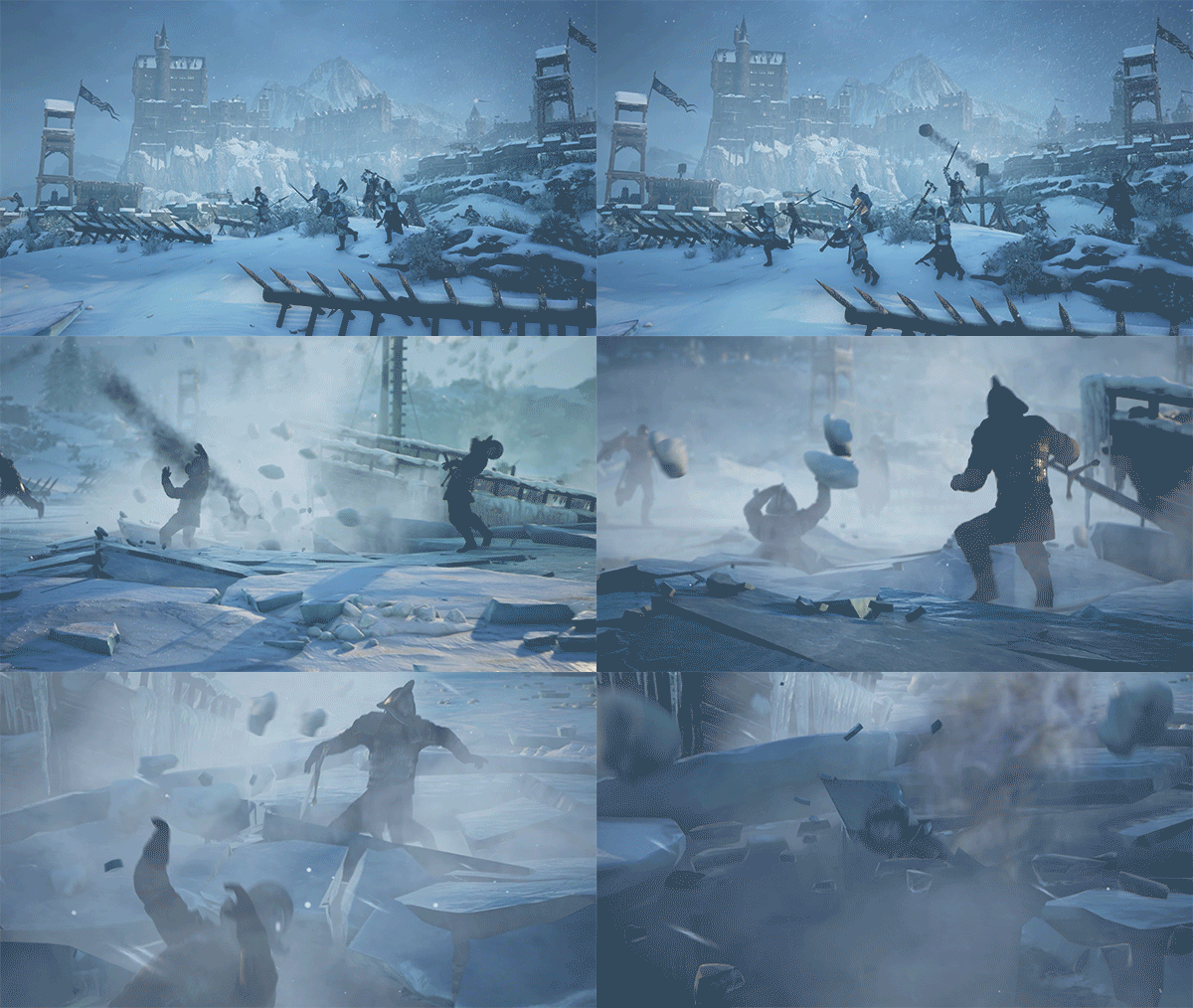
Catapults tear the earth apart as players lay siege to castles, set fire to villages and slaughter filthy peasants in the return of grand Team Objective maps.
Escape your mundane life
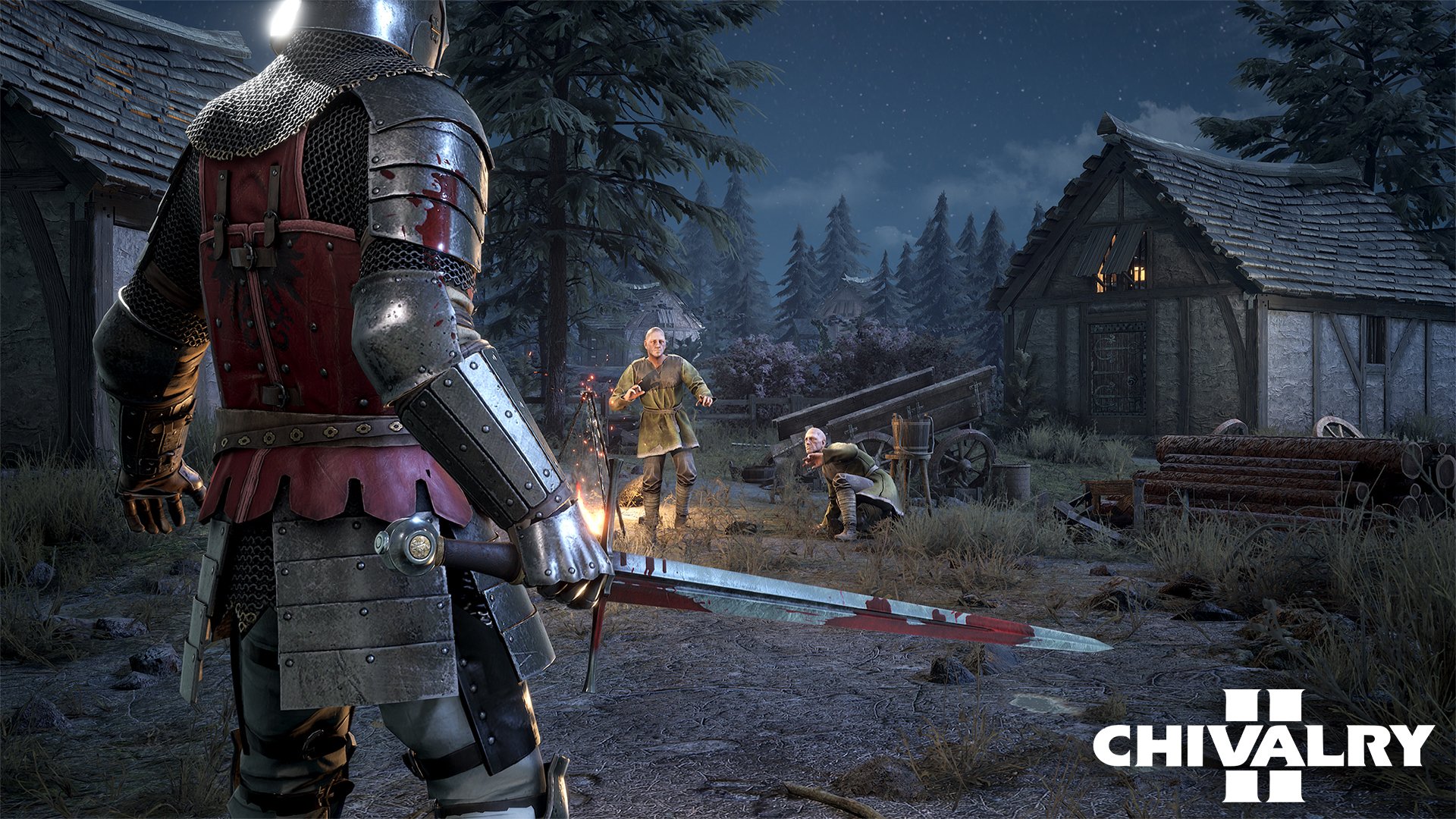
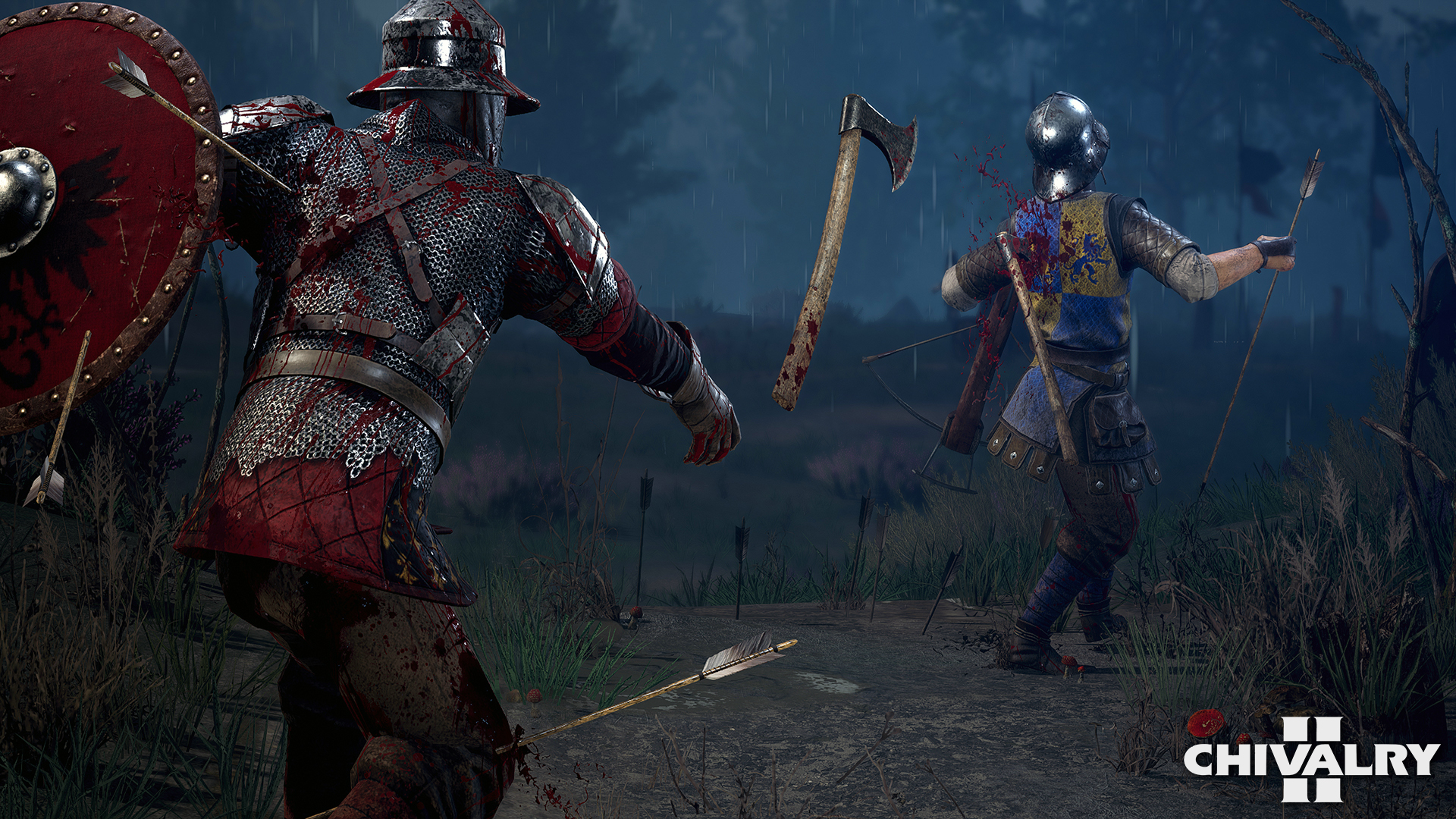
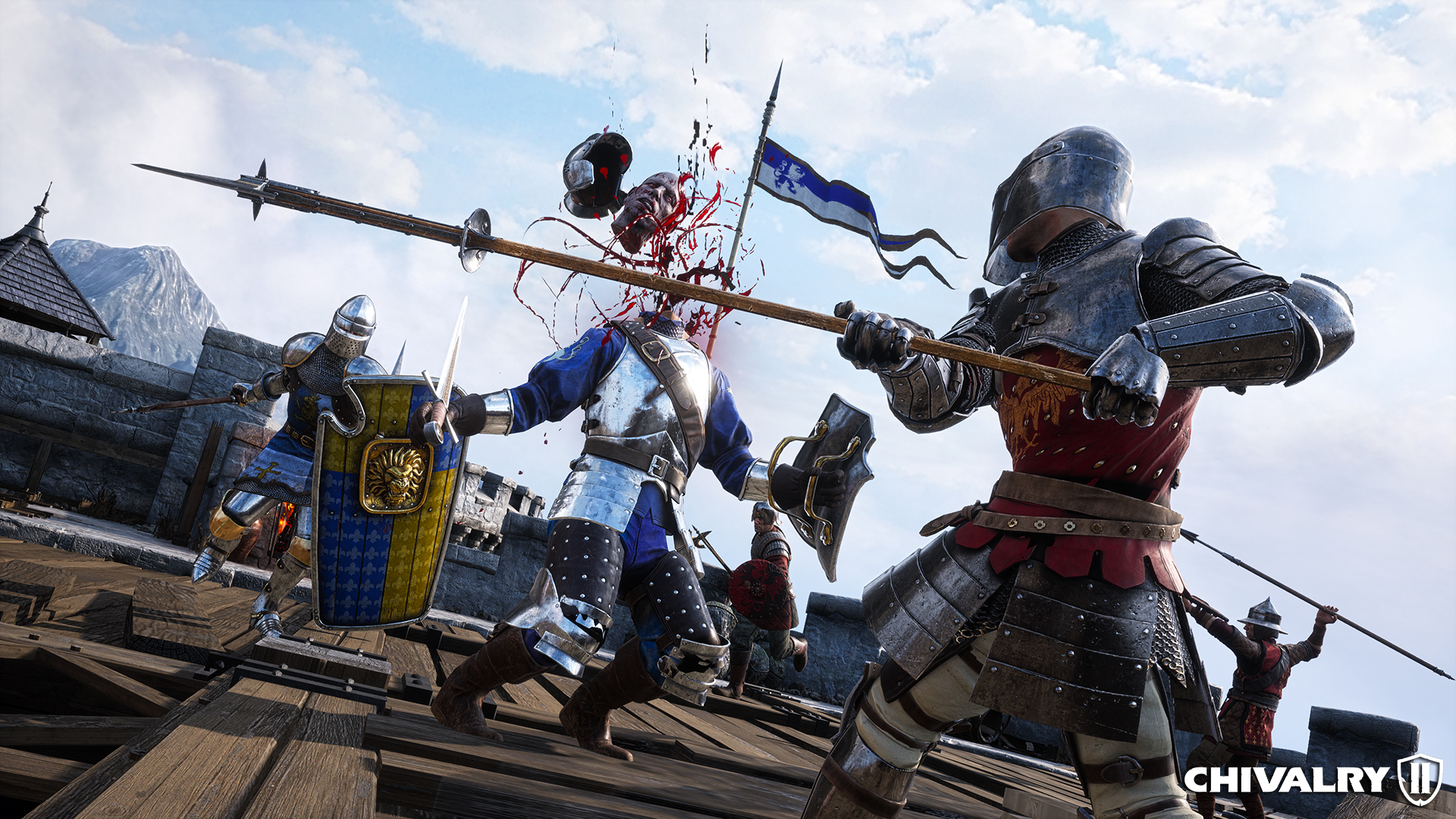
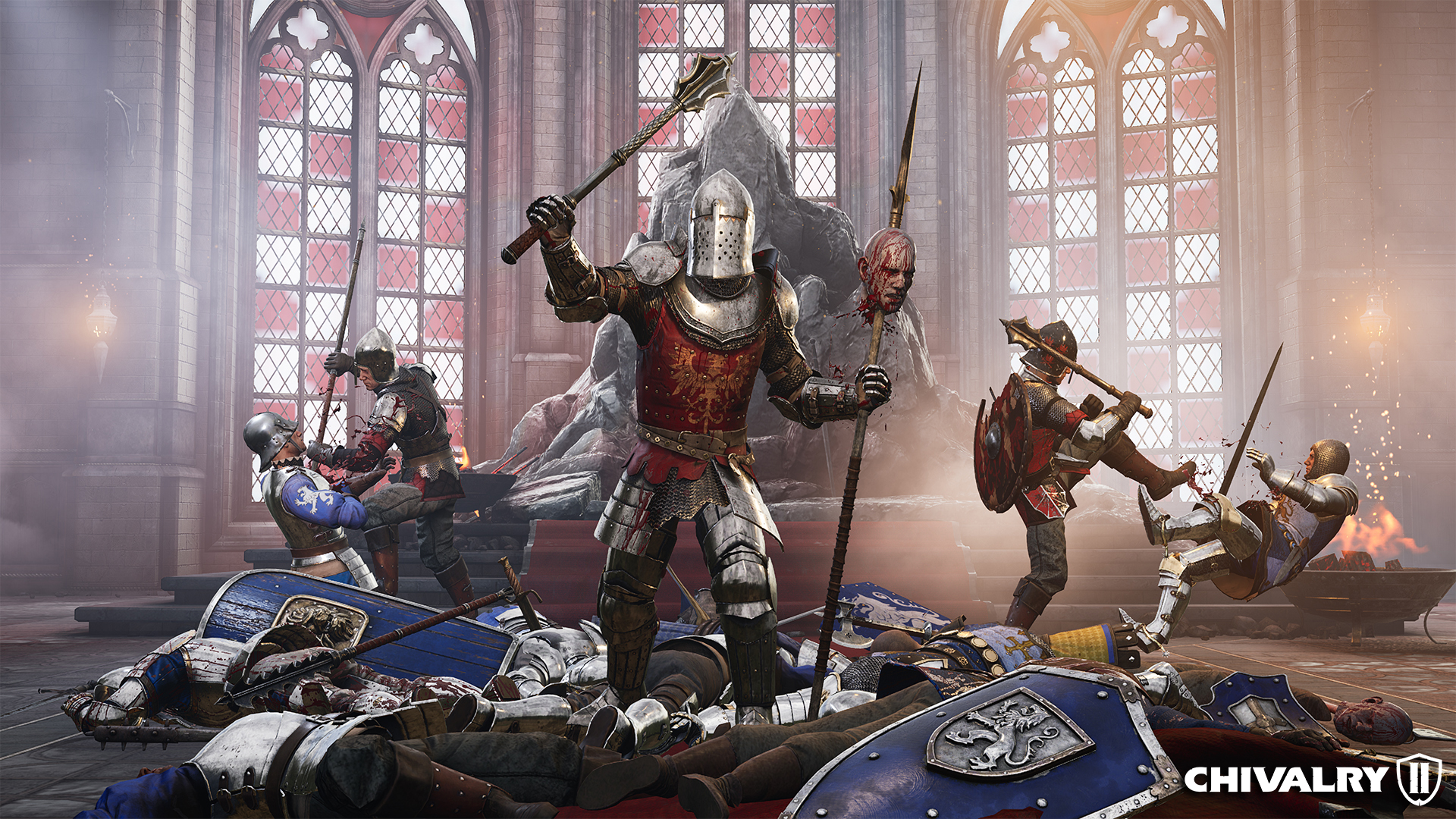
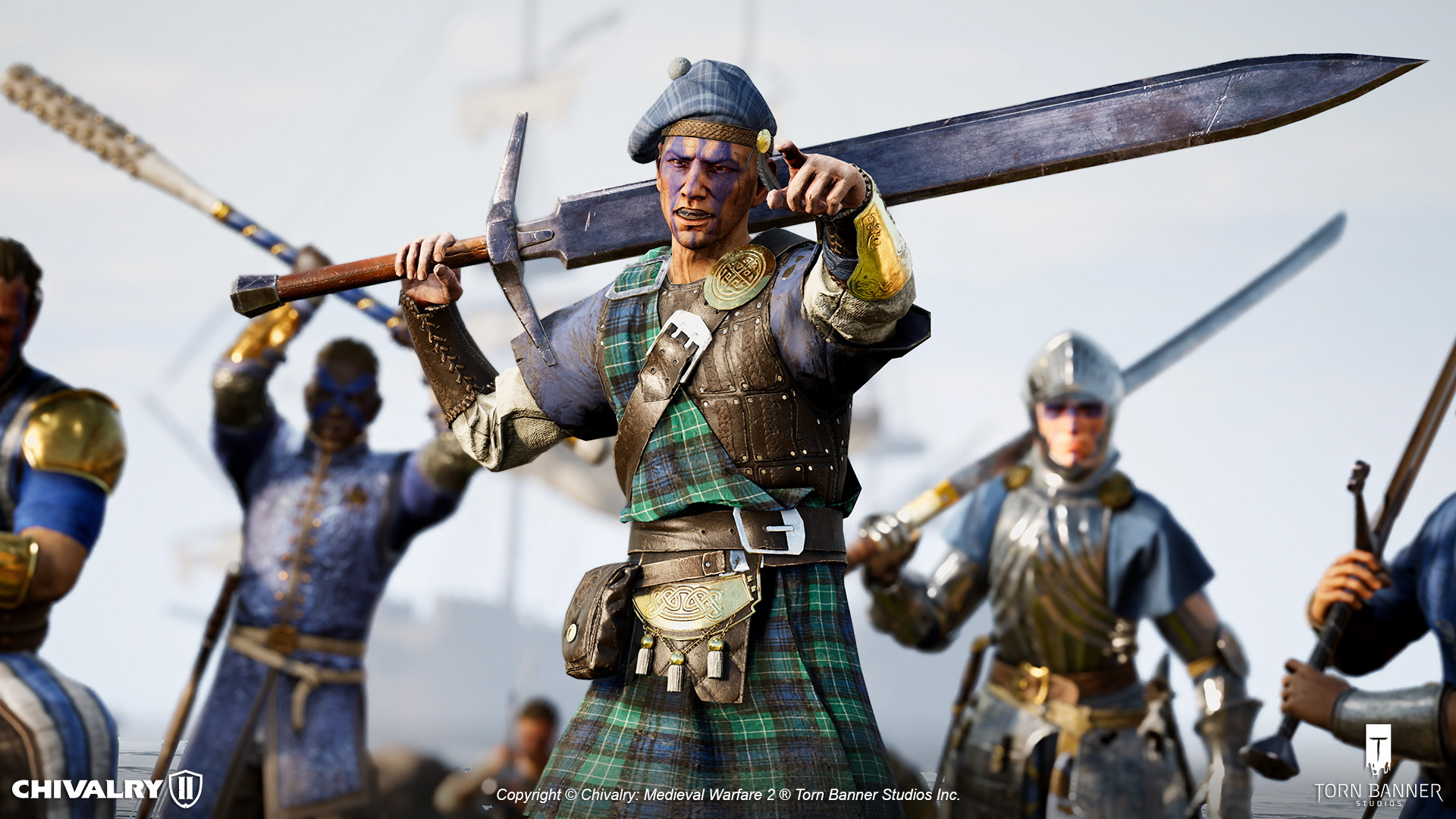
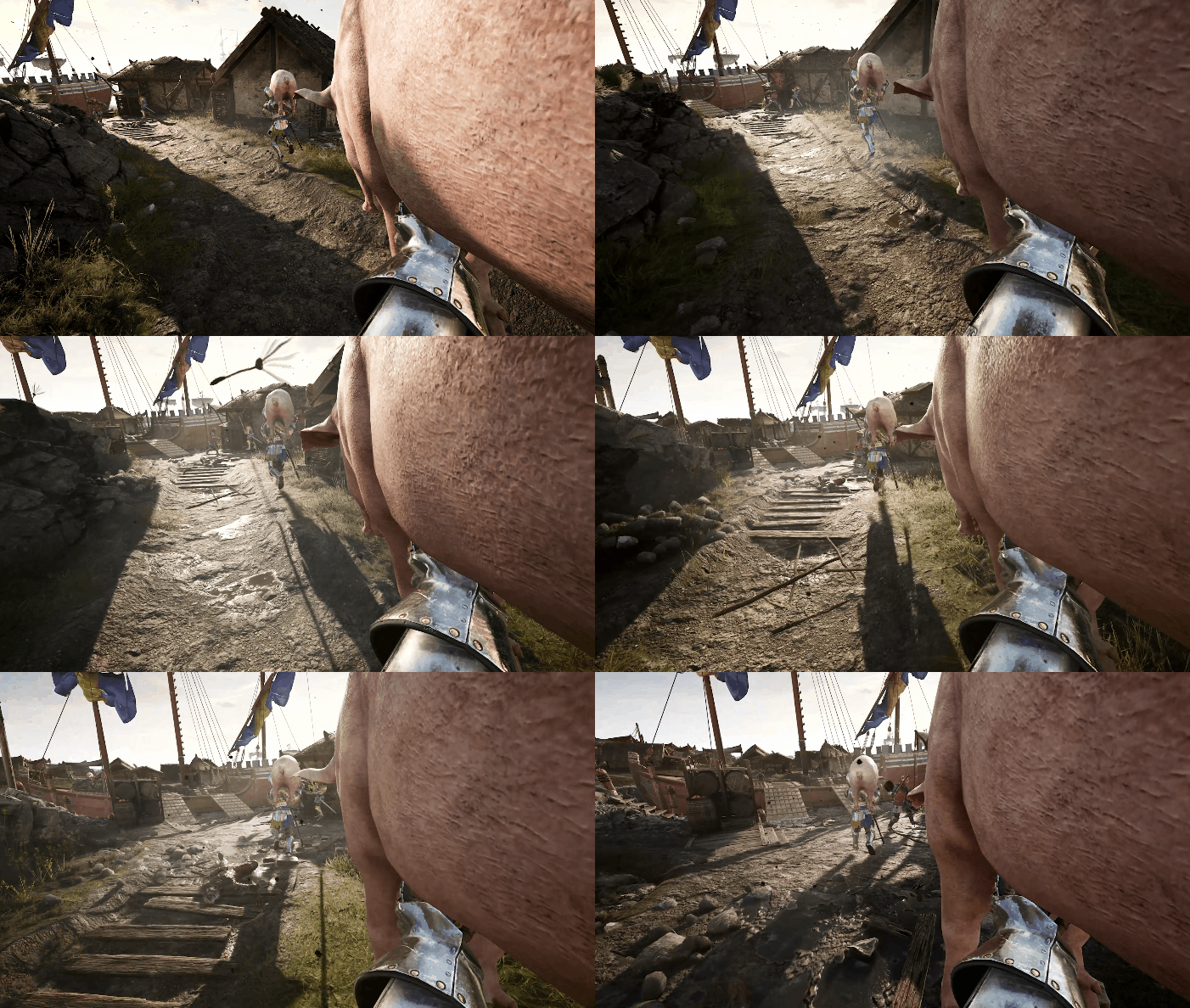
Are ye a heroic warrior, or a blood-soaked murderer? Keep fighting and gurgling out battlecries even when wounded, bleeding out and missing limbs. Enhanced player expression brings thousands of hilarious new voice-lines and deep character customization.
Unleash your inner beast with weighty, physical and satisfying combat
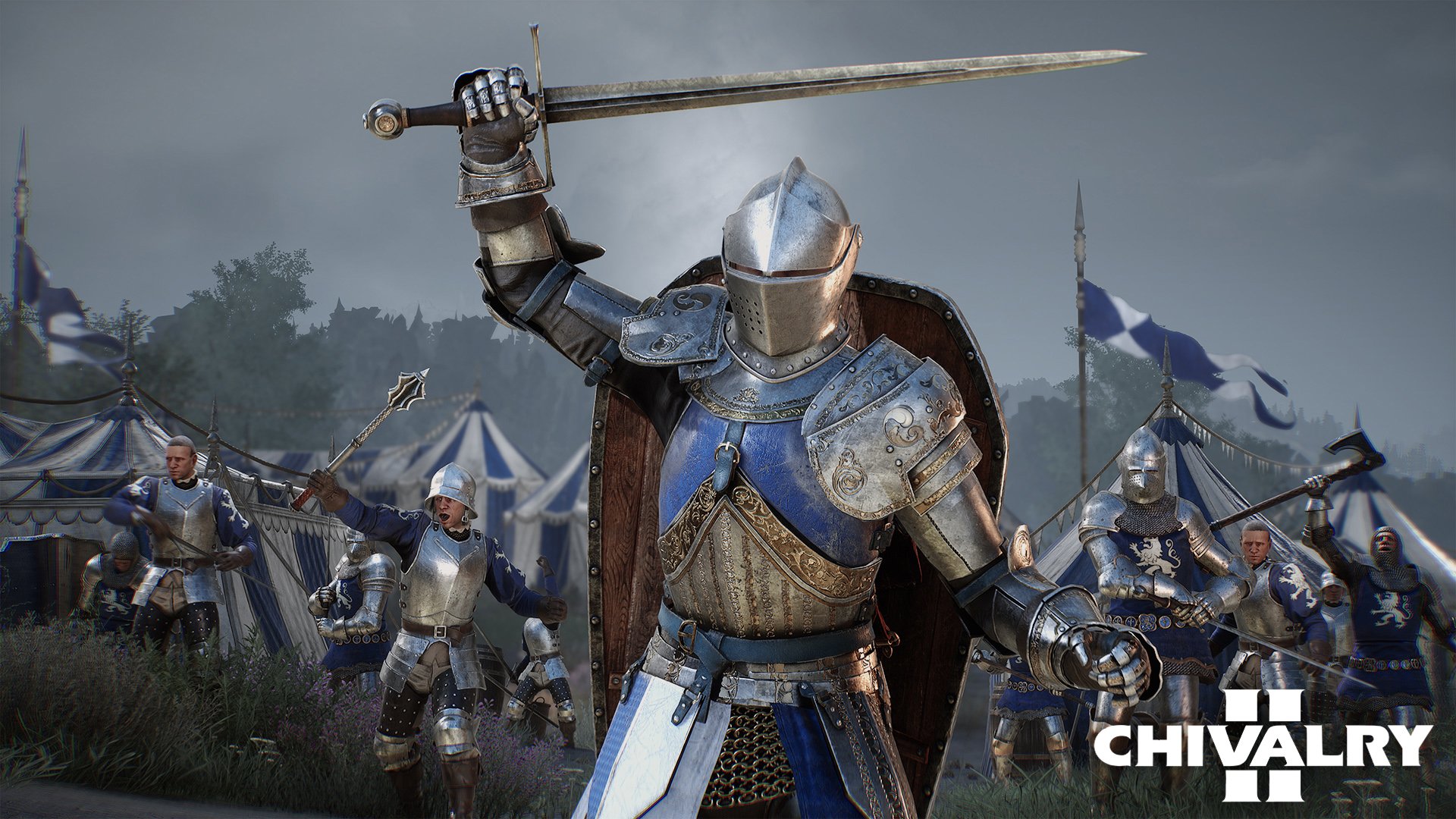
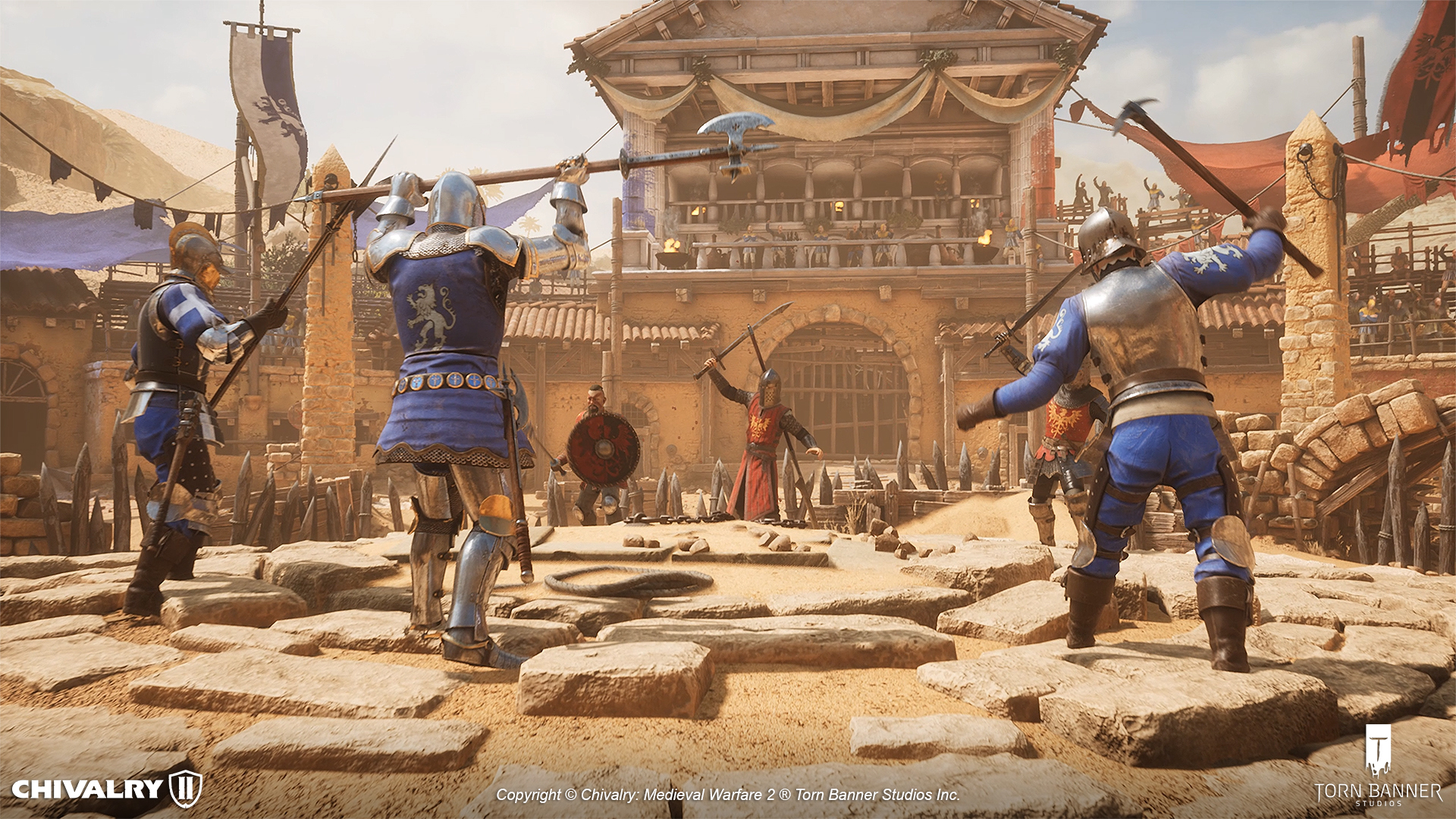
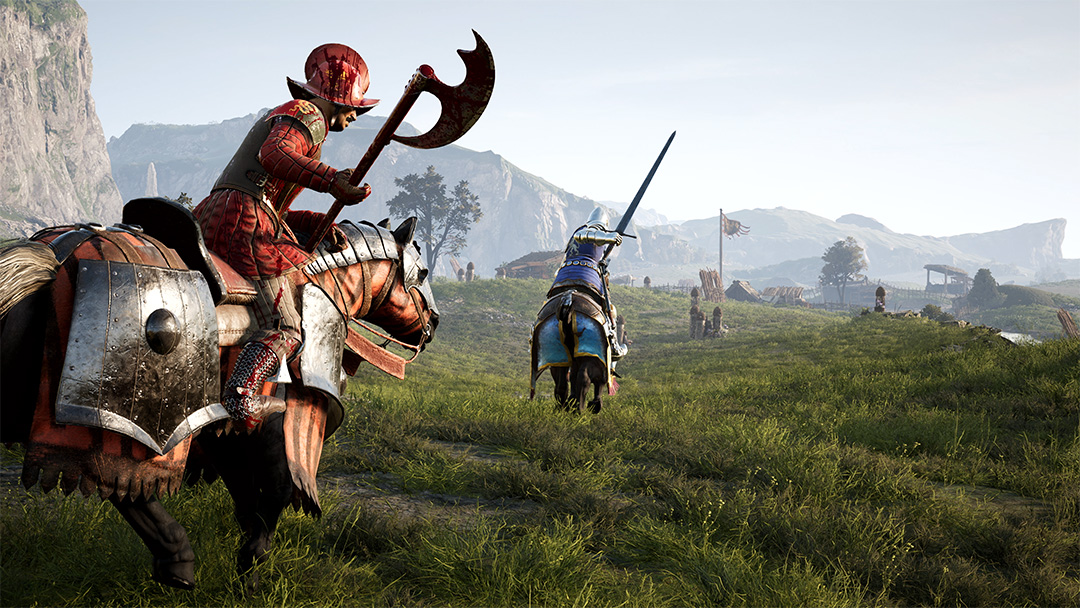
A revamped, faster and more fluid combat system offers an expanded range of creative choices, allowing players to perfect their playstyle. Immersive sound and effects ensure every blow lands with the sickening thud of steel sinking into bone.

Raiding Party Update

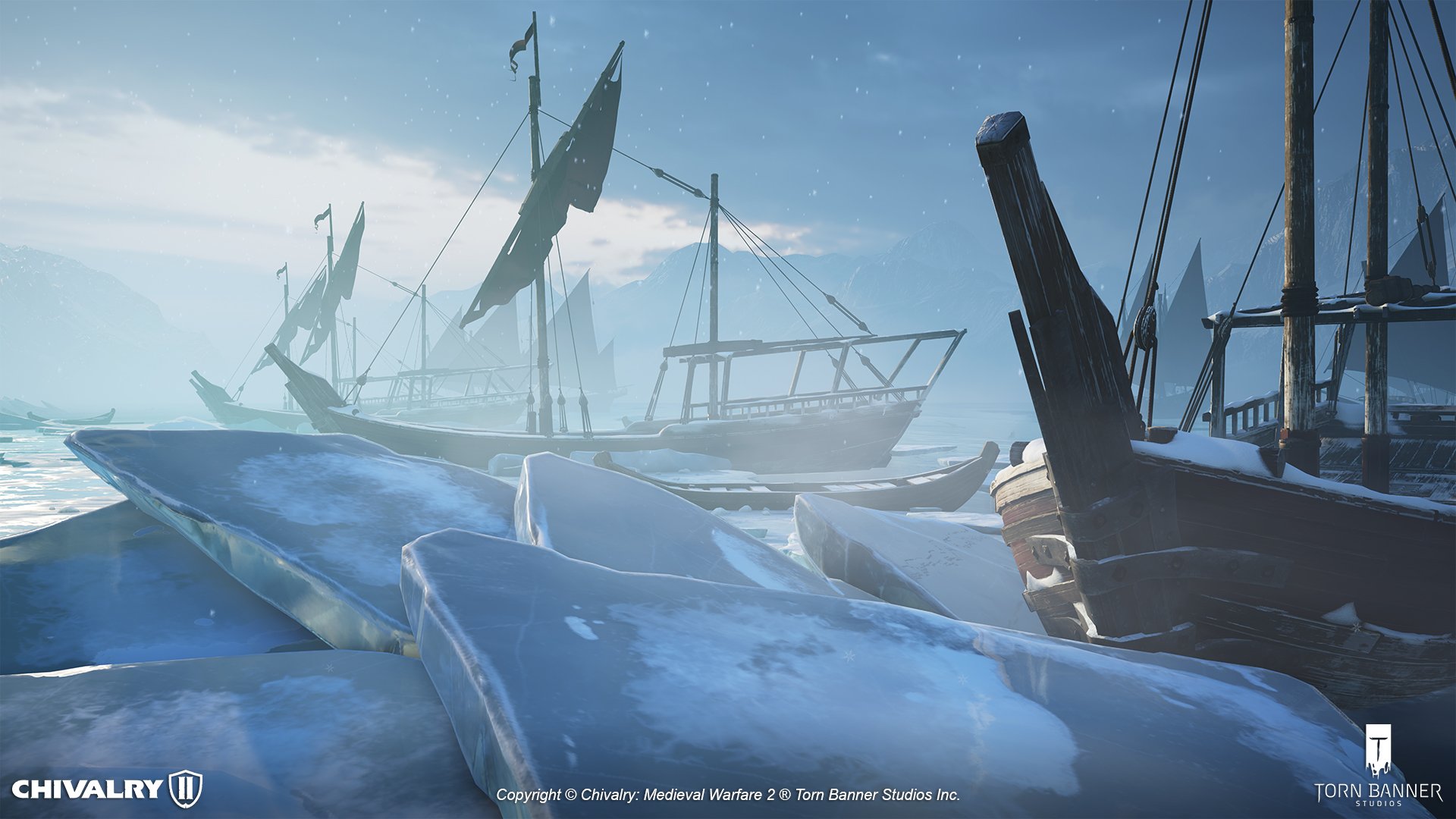
Winter War Update
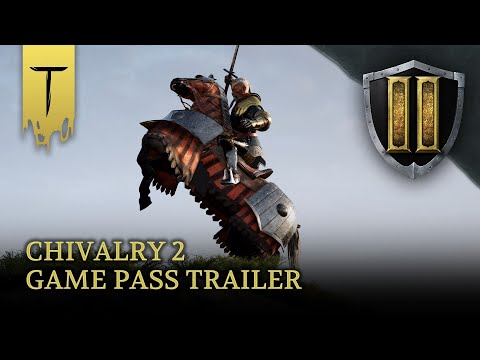
Game Pass Trailer

Tenosian Invasion Update

Steam Release and Tenosian Invasion

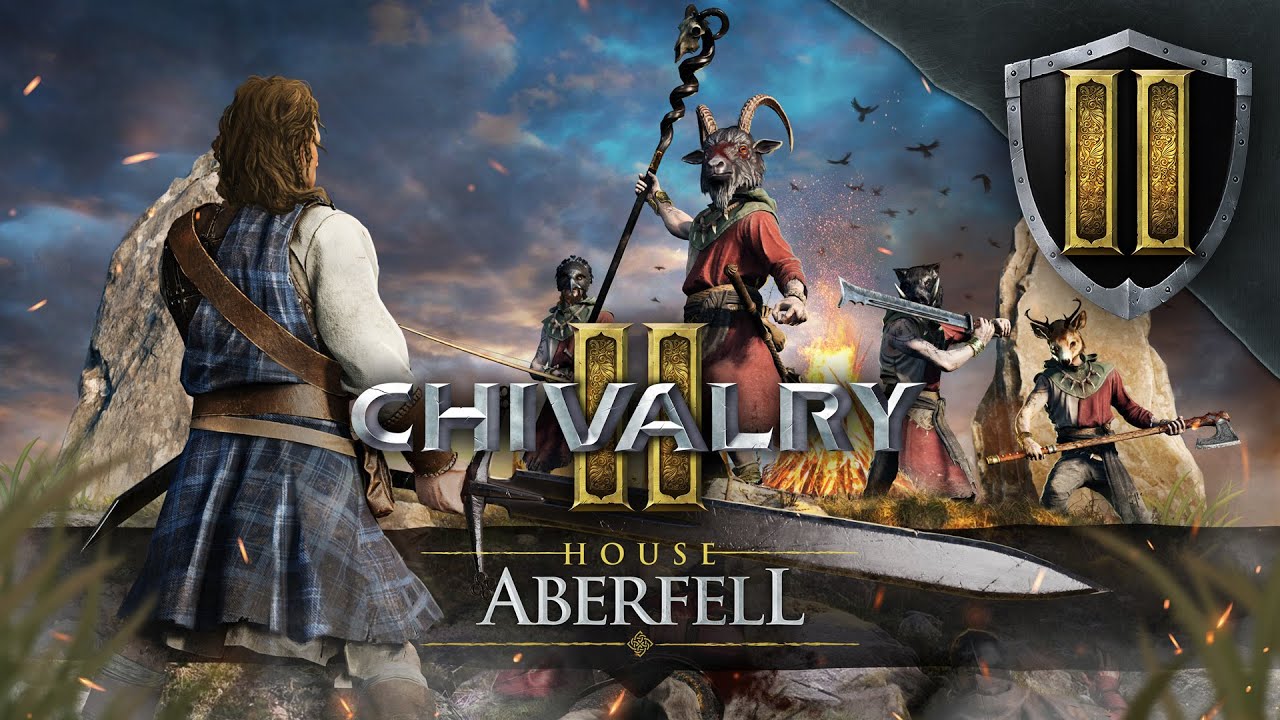
House Aberfell Update

Fight Knight Update

House Galencourt Update

Launch Trailer

Open Beta Dev Diary

Combat Guide

Dark Forest Map Teaser

Agatha Knights Faction Trailer

Mason Order Faction Trailer

Crossplay Closed Beta Teaser

Tournament Grounds Map Teaser

Coxwell Map Teaser

Wardenglade Map Teaser

Beta & Release Dates

Crossplay

Lore

Announce






Chivalry 2 Hotfix 2.10.2
23rd April 2024
Good morrow, knights! A minor hotfix (2.10.2) has been released with new anti-cheat protections. General Updated anti-cheat security on all […]
Chivalry 2 Hotfix 2.10.1
3rd April 2024
Good morrow, knights! A minor hotfix (2.10.1) has been released with crucial bug fixes. General Fixed a bug that caused […]
Chivalry 2 Unofficial Servers FAQ – Follow up
15th March 2024
Today, we wanted to address more frequently asked questions regarding the newly added Unofficial Servers with Nitrado to keep players […]
Read more about Chivalry 2 Unofficial Servers FAQ – Follow up
Chivalry 2’s Duel of the Fêtes Update is Out Now!
5th March 2024
The Duel of the Fêtes Update (2.10) is now available on all platforms for Chivalry 2! Chivalry 2’s Fête For […]
Read more about Chivalry 2’s Duel of the Fêtes Update is Out Now!
Chivalry 2 Unofficial Servers FAQ
1st March 2024
With the recent announcement of Unofficial Servers coming with Update 2.10, we wanted to take some time to go over […]